

The $2 Brown Sugar and Vanilla Body Scrub That Smells Exactly Like Warm Bakery
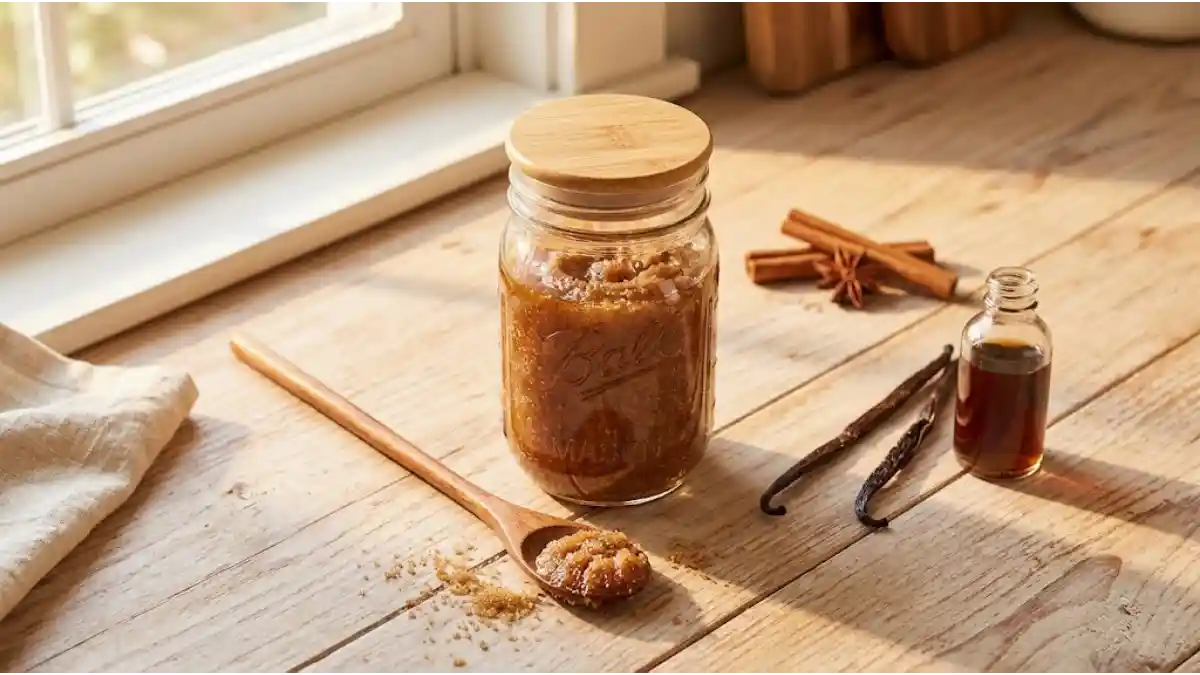
There’s a specific category of DIY beauty project that hits two goals at once: it genuinely works, and it smells so good you’ll want to eat it (please don’t). A brown sugar and vanilla body scrub sits firmly in that category — made from ingredients already sitting in most kitchen pantries, it delivers real, gentle exfoliation while filling your bathroom with a scent that’s essentially warm cookies straight out of the oven.
This is the complete guide: the basic recipe (which genuinely costs about $2 per batch), several delicious variations, the actual skin benefits behind why this works, and everything you need to know about storage, application, and safety.
Jump Links
- Why Brown Sugar Specifically Works So Well
- The Basic $2 Recipe
- Why It Smells Like Warm Bakery
- 5 Delicious Variations
- Recipe Comparison Table
- Step-by-Step: How to Use It
- Brown Sugar vs. White Sugar vs. Turbinado
- Storage and Shelf Life
- Face vs. Body: Where to Actually Use This Scrub
- How Often to Use It
- Common Mistakes to Avoid
- Making It as a Gift
- FAQ
- The Bottom Line
Why Brown Sugar Specifically Works So Well
Brown sugar functions as a natural physical exfoliant, meaning the granule texture itself mechanically buffs away dead skin cells through direct contact rather than a chemical reaction. What makes brown sugar specifically well-suited to this job, compared to other exfoliants like salt or white sugar, comes down to its molasses content — the same ingredient that gives brown sugar its color and flavor also makes its granules feel notably softer and less sharp-edged, resulting in a gentler exfoliation experience on skin.
Beyond the exfoliating action itself, brown sugar is also naturally rich in glycolic acid, a mild alpha-hydroxy acid known for supporting smoother, more even-toned skin. Combined with the buffing action of the granules, this gives brown sugar scrubs a genuine dual benefit: physical removal of dead skin cells, plus a mild chemical exfoliation boost working underneath that mechanical action.
The Basic $2 Recipe
This is the simplest, most reliable version — the one worth starting with before trying any of the variations below.
Ingredients:
- ¾ cup brown sugar (light or dark both work)
- 3 tablespoons olive oil (or substitute coconut oil, melted)
- 1 teaspoon vanilla extract
Instructions:
- Add the brown sugar to a small glass bowl or jar.
- Gradually stir in the olive oil, mixing until the texture becomes a thick, slightly sandy paste.
- Stir in the vanilla extract until evenly distributed throughout the mixture.
- Transfer to a sealable glass container for storage between uses.
Estimated cost: Well under $2 for a full batch, since brown sugar, a basic cooking oil, and vanilla extract are common pantry staples most households already have on hand in quantities far exceeding what a single batch requires.
Why It Smells Like Warm Bakery
This isn’t just a marketing description — there’s a genuine, straightforward reason this specific combination smells like it just came out of an oven. Brown sugar itself carries a warm, caramel-like scent thanks to its molasses content, while vanilla extract is quite literally the same flavoring ingredient used in an enormous share of baked goods, from cookies to cakes to bread. Combine the two, and you’re essentially recreating the scent profile of a dessert recipe, minus the eggs and flour.
Warming the oil slightly before mixing (rather than using it cold, straight from the bottle) can even enhance this effect further, since gentle heat helps release more of the vanilla’s aromatic compounds into the mixture, making the finished scrub smell even more like a fresh-baked treat the moment you open the jar.
5 Delicious Variations
1. Honey Vanilla Brown Sugar Scrub (extra moisturizing)
- ¾ cup brown sugar
- ¼ cup melted coconut oil
- 1 tablespoon honey
- 1 teaspoon vanilla extract
The added honey boosts moisture and gives the scrub a slightly stickier, richer texture, along with honey’s own naturally cleansing properties.
2. Cinnamon Vanilla Brown Sugar Scrub (warm, spiced scent)
- ¾ cup brown sugar
- 3 tablespoons olive oil
- 1 teaspoon vanilla extract
- ¼ teaspoon ground cinnamon
This variation leans into a cozier, more “cinnamon roll” scent profile, perfect for fall and winter.
3. Vanilla Almond Brown Sugar Scrub
- ¾ cup brown sugar
- 3 tablespoons sweet almond oil
- 1 teaspoon vanilla extract
- ¼ teaspoon almond extract
Swapping in sweet almond oil and adding a touch of almond extract creates a bakery-adjacent scent reminiscent of almond pastries.
4. Double Sugar Vanilla Scrub (a slightly finer texture)
- ½ cup brown sugar
- ¼ cup turbinado sugar
- 3 tablespoons olive oil
- 1 teaspoon vanilla extract
Combining two sugar types creates a slightly varied texture, with turbinado’s coarser crystals adding a bit more exfoliating grit alongside brown sugar’s gentler granules.
5. Vitamin E Vanilla Scrub (added skin-nourishing boost)
- ¾ cup brown sugar
- 3 tablespoons coconut oil
- 1 teaspoon vanilla extract
- 1 teaspoon vitamin E oil
Vitamin E oil adds extra softening benefit and also functions as a mild natural preservative, slightly extending the scrub’s usable shelf life.
Recipe Comparison Table
| Recipe | Key Additional Ingredient | Scent Profile | Best For |
|---|---|---|---|
| Basic $2 Recipe | None (just sugar, oil, vanilla) | Classic warm bakery scent | Anyone wanting the simplest, cheapest version |
| Honey Vanilla | Honey | Sweet, rich | Extra dry skin needing added moisture |
| Cinnamon Vanilla | Ground cinnamon | Cinnamon roll-like | Fall and winter, cozy scent lovers |
| Vanilla Almond | Almond extract, almond oil | Almond pastry-like | Anyone wanting a nuttier bakery scent |
| Double Sugar Vanilla | Turbinado sugar | Classic bakery, slightly grittier | Rougher skin areas like elbows and feet |
| Vitamin E Vanilla | Vitamin E oil | Classic, slightly richer | Longer shelf life plus added skin nourishment |
Step-by-Step: How to Use It
- Use it at the end of a shower or bath, once skin is already warm, damp, and slightly softened, which improves how well the scrub can buff away dead skin.
- Scoop out about a tablespoon using clean fingers or a small spoon.
- Massage into skin using gentle, circular motions, focusing extra attention on rougher areas like elbows, knees, and heels.
- Rinse thoroughly with warm water, making sure no oily residue is left in the tub or shower floor, since the oil base can make surfaces slippery.
- Pat skin dry rather than rubbing, then follow with a lightweight body lotion if desired, though many people find the oil content leaves skin feeling adequately moisturized without an additional step.
Brown Sugar vs. White Sugar vs. Turbinado
- Brown sugar is the gentlest of the three options thanks to its molasses content softening the sharp edges of each granule, making it the best all-around choice for both body and gentler areas.
- White granulated sugar works as a substitute if that’s what’s on hand, though it tends to feel slightly rougher and more abrasive on skin compared to brown sugar’s more rounded texture.
- Turbinado sugar (a coarser, less-processed sugar) provides a noticeably grittier texture, making it a good addition for particularly rough areas like feet and elbows, but generally too harsh to use alone on more delicate skin.
Storage and Shelf Life
Because this scrub contains no artificial preservatives, proper storage genuinely matters for both effectiveness and hygiene:
- Store in a sealed glass container at room temperature, away from direct sunlight and heat.
- Typical shelf life runs from about 1 to 3 months, depending on the specific recipe and whether water-based ingredients (like honey) are included, which can shorten shelf life somewhat compared to oil-only versions.
- Keep water out of the container entirely. If water gets into the jar during use (from wet hands or shower splash), the scrub can spoil significantly faster than its normal shelf life would suggest.
- Always scoop with clean, dry hands or a clean utensil, rather than repeatedly dipping wet fingers directly into the jar, to prevent introducing bacteria or moisture.
- Adding vitamin E oil to any variation can help extend shelf life slightly, since it acts as a mild natural preservative alongside its skin-nourishing benefits.
Face vs. Body: Where to Actually Use This Scrub
This is an important distinction worth being clear about. While the sugar granule size in this recipe is gentle enough for use on hands and feet, it’s generally considered too coarse and abrasive for regular use as a facial scrub, since facial skin is significantly thinner and more delicate than skin on the body. For facial exfoliation specifically, a dedicated, finer facial scrub recipe (or a much lighter touch with this body scrub, used sparingly and very gently) is the safer choice.
This body scrub is genuinely well-suited to hands, feet, elbows, knees, legs, and arms — areas with thicker, more resilient skin that can handle the texture without irritation.
How Often to Use It
For body use, two to three times per week is a commonly recommended frequency, allowing enough time between uses for skin to naturally regenerate without over-exfoliating. Areas with notably thicker or rougher skin, like feet and elbows, can sometimes tolerate slightly more frequent use, while more sensitive body areas benefit from a lighter touch or reduced frequency.
Common Mistakes to Avoid
- Scrubbing too aggressively. The granules themselves do the exfoliating work; heavy pressure isn’t necessary and can lead to irritation, especially on thinner-skinned areas.
- Using it on broken, sunburned, or irritated skin. Exfoliating already-compromised skin can worsen irritation rather than help.
- Letting water get into the storage container. This is one of the fastest ways to spoil a batch well before its expected shelf life.
- Using it as a facial scrub without adjusting the technique. The granule size here is generally better suited to the body; use a much gentler touch, or a dedicated facial recipe, for facial skin specifically.
- Skipping the post-shower cleanup. The oil base can leave surfaces slippery; rinsing the tub or shower floor after use helps prevent a genuine slip hazard.
- Overusing it. More than a few times weekly can tip into over-exfoliation territory, leaving skin more sensitive rather than smoother.
Making It as a Gift
This scrub’s dessert-like scent and simple ingredient list make it a genuinely popular homemade gift option, especially around the holidays. A few tips for gifting:
- Use a clear glass jar so the scrub’s texture and color are visible, adding to its appeal as a gift.
- Add a simple printed or handwritten label with the scent name and usage instructions.
- Tie on a small wooden spoon or spatula with twine for a charming, functional presentation.
- Make it in a slightly larger batch if gifting to multiple people, since the ingredients scale up easily while keeping the same basic ratios.
📌 YOU MIGHT ALSO LIKE:
Why I Stopped Buying $40 Scalp Scrubs and Made This $2 Sea Salt Alternative
FAQ
How much does this scrub really cost to make?
Using pantry staples most households already have, a full batch typically costs well under $2, since brown sugar, cooking oil, and vanilla extract are all inexpensive and used in relatively small quantities per batch.
How long does homemade brown sugar scrub last?
Stored properly in a sealed container away from water and moisture, most versions last approximately 1 to 3 months, with recipes containing vitamin E oil or excluding water-based additions like honey generally lasting slightly longer.
Can I use this scrub on my face?
It’s generally not recommended for regular facial use, since the granule size is coarser than what’s ideal for the face’s thinner, more delicate skin. It’s better suited to the body, particularly hands, feet, elbows, and knees.
What’s the difference between using brown sugar versus white sugar in this recipe?
Brown sugar’s molasses content makes its granules softer and less sharp-edged, resulting in gentler exfoliation, while white granulated sugar works as a substitute but tends to feel slightly more abrasive.
Is it safe to use this scrub in the shower, or will it make the floor slippery?
The oil base can make wet surfaces slippery, so it’s worth rinsing the tub or shower floor thoroughly after use to reduce the risk of slipping.
How often should I use a brown sugar body scrub?
Two to three times per week is a commonly recommended frequency for most skin types, allowing skin adequate time to regenerate between exfoliating sessions.
The Bottom Line
A brown sugar and vanilla body scrub delivers on two fronts that are genuinely hard to combine at this price point: real, gentle exfoliation backed by brown sugar’s natural glycolic acid content, and a scent that legitimately smells like a warm dessert fresh from the oven. At roughly $2 a batch and five minutes of mixing, it’s one of the easiest, most satisfying DIY beauty projects to keep in regular rotation.
For more budget beauty guides and DIY skincare recipes, check out more posts over at The Frugal Glow.
Sources: