

15 Hair Washing Mistakes That Could Be Damaging Your Hair
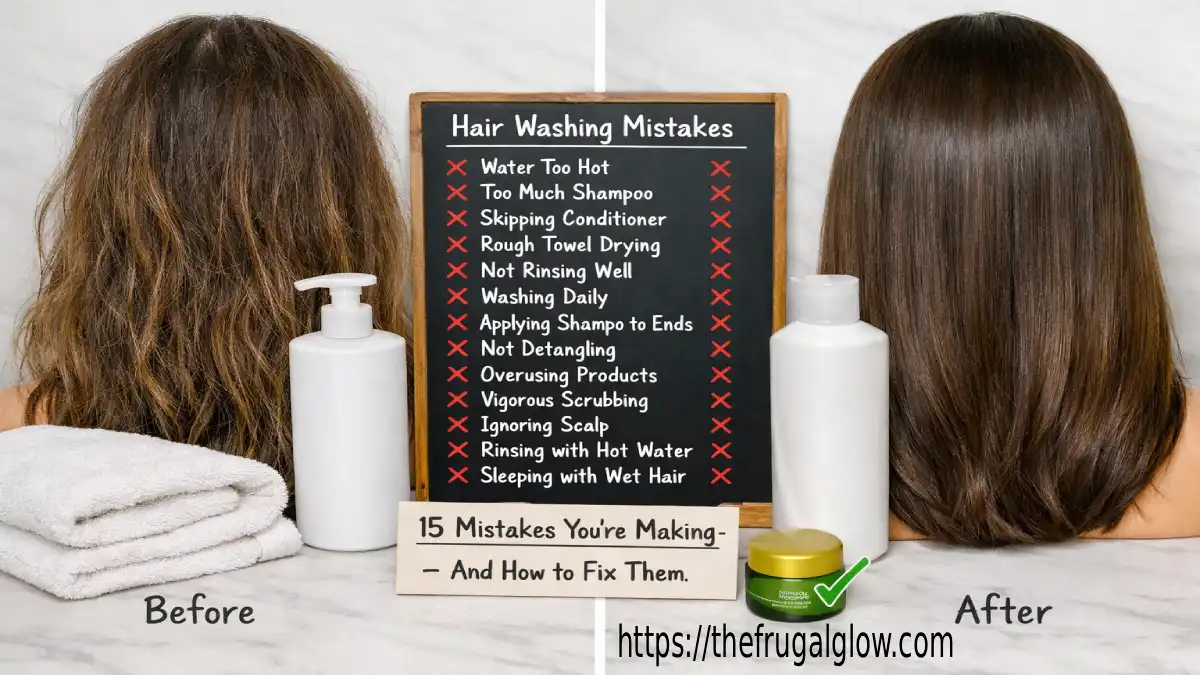
Let me tell you about the day I realized I had been washing my hair wrong my entire life.
I was sitting in a salon chair, and my stylist asked me a simple question: “How do you wash your hair at home?” I told her. I wet it, slapped on some shampoo, scrubbed like I was trying to win a competition, and rinsed. She looked at me like I had just admitted to using dish soap.
She explained that everything I was doing—the hot water, the aggressive scrubbing, the towel turban—was slowly damaging my hair. I was stripping it of natural oils, causing breakage, and making it frizzier than it needed to be.
That conversation changed everything. I went home and did a deep dive into the science of hair washing. I talked to more stylists, read dermatology research, and tested different techniques. The results were undeniable. My hair stopped breaking. It looked shinier. It grew longer. And I didn’t change a single product. I just changed how I washed.
Today, I’m sharing the 15 most common hair washing mistakes that could be damaging your hair. The ones I made. The ones you’re probably making too. And exactly how to fix each one.
Let’s get into it.
The Salon Chair That Changed Everything
I need to describe that moment of realization.
My stylist was holding up a mirror, showing me the breakage along my hairline and the split ends that went halfway up my strands. I had always assumed it was from heat styling. She told me it was from how I was washing.
“When you aggressively scrub your hair, you’re causing mechanical damage,” she explained. “When you use hot water, you’re stripping natural oils. When you pile your wet hair on top of your head, you’re tangling the cuticle the wrong way.”
I had been washing my hair for thirty years and I was doing it all wrong.
I started researching. I read articles from dermatologists and trichologists. I learned that “washing your hair the right way might seem like a no-brainer, but good intentions may often end up causing crucial hair washing mistakes, doing more harm than good”.
The good news? All of these mistakes are easy to fix. None of them require expensive products. Just a few small changes to your routine.
Mistake #1: Washing Your Hair Too Often
The problem: Many people wash their hair every day, believing it keeps their scalp fresh and clean. But “frequent washing strips away natural oils, leading to dryness, brittleness and increased breakage”. Your scalp needs a balanced amount of oil to keep your hair moisturized and strong.
“Over-shampooing strips away natural oils, and the scalp compensates by producing more oil,” says Garnier ambassador and hairstylist Kat Thompson. This creates a vicious cycle—you wash more because your hair is greasy, but washing is what’s making it greasy.
The fix: “Wash your hair two to three times per week instead of daily”. If your hair gets oily quickly, use dry shampoo between washes to “absorb excess oil without stripping moisture”.
The exception: If you exercise daily or have a very oily scalp, washing daily may be necessary. “If your scalp is oily, shampooing every day can be beneficial to reduce the buildup of oil and resulting irritation caused by not washing”.
Mistake #2: Using Water That’s Too Hot
The problem: We all love a hot shower, but “hot water can strip moisture from hair, making it dry and brittle”. Hairstylist Jon Hala explains that “using overly hot water activates and excites the sebaceous glands,” which creates sebum and makes your hair look greasy.
“Hot water can strip hair of natural oils and lead to dryness,” says trichologist Katherine de Rozario. It also opens up the hair cuticle, which can damage your locks and weaken the roots.
The fix: “Opt for warm water that feels comfortable”. The ideal temperature is lukewarm (around 100°F), which “allows you to clean dirt and impurities out of your hair but is not too hot so that scalp irritation can occur”.
Pro tip: Finish your shower with a cold rinse. “This will seal the hair cuticle, enhancing shine and reducing frizz”. One hairstylist even says that “cold water also helps lock in moisture and reduces the risk of hair fall”.
Mistake #3: Applying Shampoo Directly to Your Hair
The problem: “De Rozario says shampoo should be lathered in the hands before putting it on the hair”. When you apply shampoo directly to your hair, you get uneven distribution. Some areas get too much product, others get too little.
The fix: Squeeze a dime-sized amount of shampoo into your palms. Rub your hands together to lather it up. Then apply it to your hair. “This helps remove build-up but also stimulates circulation” when you massage it in.
Mistake #4: Scrubbing Your Scalp Too Aggressively
The problem: “You might think that the more vigorous you are with the rubbing and scratching, the more thorough you’re being. But the truth is, this method can be too harsh for your scalp and can cause ends to break”.
The fix: “Massage the shampoo into the roots of your hair” using gentle, circular motions with your fingertips. “By massaging the scalp instead of rubbing the shampoo on it, you can promote blood flow and thus stimulate hair growth”.
Pro tip: “If you have time, use a scalp massager tool that stimulates the hair follicles”. This exfoliates the scalp and promotes hair growth.
Mistake #5: Shampooing the Ends of Your Hair
The problem: “You generally don’t need to apply shampoo to the ends of your hair, as the product from the root will make its way down the hair shaft to the ends”. The ends are the oldest and most fragile part of your hair. Shampoo strips them of moisture.
The fix: “Focus on your scalp as this is where most oil and dirt builds up”. Let the suds run down the lengths of your hair as you rinse—”this is enough to remove dirt” from the ends.
Mistake #6: Not Rinsing Thoroughly
The problem: “Washing out your shampoo and conditioner is just as crucial as applying it correctly to avoid buildup”. If you don’t rinse thoroughly, product residue can “lead to an imbalance if left to build up—which in turn affects the hair quality and growth”.
The fix: “Rinse hair until you don’t feel any product residue to ensure that it’s totally clean”. Take your time. As one expert notes, “rinse thoroughly for at least a minute or two minutes, making sure to get all angles of your hair, including the back and nape of your neck”.
Mistake #7: Applying Conditioner to Your Scalp
The problem: “Applying conditioner on your scalp can cause excess build-up of oils, causing your hair to appear greasy”. It can also “clog the pores on your scalp, which can lead to itchiness and even dandruff”.
The fix: “Only apply conditioner to the ends of your hair, avoid the roots, as you have your natural sebum to condition those”. For most people, conditioner should only be applied to the mid-lengths and ends.
Mistake #8: Not Leaving Conditioner in Long Enough
The problem: Many people apply conditioner and rinse it out immediately. But “take your time to detangle before you rinse out”. Conditioner needs time to penetrate the hair shaft and do its job.
The fix: “Leave it on for at least 1-2 minutes”. Use this time to wash your body or shave your legs. The longer you leave it in, the more moisture it deposits.
Mistake #9: Using the Wrong Shampoo for Your Hair Type
The problem: “Not all shampoos and conditioners work for every hair type”. If you have fine hair and use a heavy moisturizing shampoo, it will weigh your hair down. If you have dry hair and use a volumizing shampoo, it will dry it out even more.
The fix: “Shampoos are created to cleanse your hair and scalp, while conditioners lubricate strands when wet”. Choose products based on your hair’s needs:
- Dry hair: Look for “moisturizing,” “hydrating,” or “nourishing”
- Color-treated hair: Look for “color protection” or “color safe”
- Thin or flat hair: Look for “volumizing” or “thickening”
- Damaged hair: Look for “strengthening,” “repair,” or “damage repair”
- Frizzy hair: Look for “smoothing” or “frizz control”
Mistake #10: Rubbing Your Hair Dry with a Towel
The problem: “Rough towel-drying causes friction, leading to frizz, breakage and split ends”. Since wet hair is more fragile, “excessive rubbing can significantly weaken strands”.
The fix: “Gently squeeze out excess water instead of rubbing”. “Use a microfiber towel or a cotton t-shirt to blot your hair dry”. These materials “are much gentler on the hair and help absorb moisture without causing so much friction”.
Mistake #11: The Towel Turban Mistake
The problem: “Apparently using a so-called ‘towel-turban’ is one of the worst things you can do”. “When we pile our hair up onto the top of our heads, the cuticle is the wrong way and can easily be damaged, leading to tangling and making it more difficult to manage wet hair”.
The fix: “Always think of the backwash at the hairdressers, the way they wash your hair, how it falls—not by tipping your head upside down or piling the hair onto the top of the head”. Instead, gently squeeze water out of your hair in the direction it falls.
Mistake #12: Brushing Wet Hair
The problem: “Because your hair is more prone to breakage and hair fall when it’s wet, it’s always better to detangle your tresses before you step into the shower”. Wet hair is fragile. Brushing it can cause breakage.
The fix: “Rather than a brush, use a wide-tooth comb or a detangling brush to gently work through any knots”. And “comb from the bottom of the hair first to prevent damage”.
The exception: “Curly and wavy hair should only be brushed in the shower when wet and once you have applied a conditioner”. Brushing curly hair dry disrupts the curl pattern and causes frizz.
Mistake #13: Skipping Conditioner
The problem: “Many men skip conditioner, but it’s a vital step that keeps hair flexible, healthy, shiny, and free of tangles”. Conditioner “hydrates and nourishes your hair, making it much healthier and stronger”.
The fix: Always use conditioner after shampooing. Apply it from mid-length to ends, leave it on for 2-3 minutes, and rinse thoroughly.
Mistake #14: Using Too Much Product
The problem: “Excess shampoo will not get hair cleaner; it will just make it harder to rinse, and too much conditioner can leave buildup”. Using too much product can “deprive your hair of its natural moisture and nourishment or even make your mane dirty and greasy”.
The fix: “Apply sparingly: Start with a small dollop of shampoo and conditioner and add more as needed”. “A dime-sized amount of shampoo is enough for most hair lengths”. “If you have thin/fine hair or an oily scalp, apply conditioner only where it’s most needed, halfway down the length of hair to the ends”.
Mistake #15: Mixing and Matching Products Randomly
The problem: “Shampoos and conditioners are developed and tested for efficacy in pairs, which allows their manufacturers to optimize ingredients for their individual functions”. “Mixing brands and collections may produce less effective results, including under- and over-conditioning”.
The fix: Stick to the same shampoo and conditioner line. They were designed to work together. As one expert noted, “You should stick to one type of shampoo or conditioner in your hair wash regimen”.
How to Wash Your Hair Correctly (The 7-Step Routine)
Now that you know what not to do, here’s how to do it right.
Step 1: Brush before you shower
Detangle dry hair to “remove tangles and prepare it for cleansing”. This prevents breakage when your hair is wet.
Step 2: Wet your hair thoroughly
“Your hair needs to be completely wet before you wash it so that you can work up a lather and easily distribute your hair product”. Stand under the shower for at least a minute.
Step 3: Use lukewarm water
Hot water strips natural oils. Use lukewarm water to wash and rinse.
Step 4: Lather shampoo in your hands
Apply shampoo to your hands, rub them together, then “massage the shampoo into the roots of your hair”. Avoid the ends.
Step 5: Double shampoo if needed
“Your first shampoo only scrapes the surface, removing dirt, oil and buildup from products… your second shampoo does a much deeper cleanse”.
Step 6: Condition the ends only
“Only apply conditioner to the ends of your hair, avoid the roots”. Leave it on for 2-3 minutes.
Step 7: Rinse thoroughly
“Rinse hair until you don’t feel any product residue to ensure that it’s totally clean”.
The Math: What I Saved in One Year
Let me break down what I saved by fixing my hair washing mistakes.
Before (damaged hair):
| Item | Cost | How Often | Annual Cost |
|---|---|---|---|
| Repair products (masks, treatments) | $20/month | 12 months | $240 |
| Haircuts for split ends | $40 | Every 6 weeks | $347 |
| Styling products to hide damage | $15/month | 12 months | $180 |
| Total | $767 |
After (healthy hair):
| Item | Cost | How Often | Annual Cost |
|---|---|---|---|
| Haircuts (normal maintenance) | $40 | Every 12 weeks | $173 |
| Styling products (minimal) | $5/month | 12 months | $60 |
| Total | $233 |
Annual savings: $534
Over 5 years: $2,670
And my hair is longer, shinier, and healthier than it ever was with expensive repair products.
Frequently Asked Questions (FAQ)
1. How often should I wash my hair?
Most people should wash their hair two to three times per week. “If you exercise daily or have a job that makes you sweat, you might want to lather up daily, but for most people, washing every other day or every few days is plenty”. If your hair gets oily quickly, use dry shampoo between washes.
2. Is it bad to wash your hair every day?
“If you have dry or damaged hair, not washing daily may keep it hydrated, thanks to its natural oils”. “Washing your hair too often can remove the natural oils on the scalp, making hair brittle and weak”. However, “if your scalp is oily, shampooing every day can be beneficial”.
3. Does cold water make your hair shinier?
Yes! Rinsing with cool water “will seal the hair cuticle, enhancing shine and reducing frizz”. One expert explains that “cold water also helps lock in moisture and reduces the risk of hair fall”.
4. Can hot water damage your hair?
Yes. “Hot water can strip hair of natural oils and lead to dryness”. It also “activates and excites the sebaceous glands,” which makes your hair look greasy. Use lukewarm water instead.
5. Should I put conditioner on my scalp?
No. “Applying conditioner on your scalp can cause excess build-up of oils, causing your hair to appear greasy”. “Only apply conditioner to the ends of your hair, avoid the roots”.
6. Is it better to air dry or towel dry?
“Gently squeeze out excess water instead of rubbing”. Use a microfiber towel or cotton t-shirt to blot your hair dry. Let your hair air dry as much as possible before using styling tools. The towel turban is one of the worst things you can do—it damages the cuticle.
7. Should I brush my hair before or after showering?
Before showering! “Brushing your hair before a shower can rid your hair of knots and tangles”. “Because your hair is more prone to breakage and hair fall when it’s wet, it’s always better to detangle your tresses before you step into the shower”.
8. Can I wash my hair with just water?
“While this could potentially work for some, water alone doesn’t break down natural oils and product residues—and it could leave hair feeling greasy or smelling less-than-fresh”.
Final Thoughts: Your Hair Deserves Better Than Your Current Routine
Here’s what I want you to take away.
I spent years buying expensive repair products to fix damage I was causing in the shower. The hot water, the aggressive scrubbing, the towel turban—all of it was slowly destroying my hair.
The fix wasn’t a $40 serum. It was changing how I washed.
Lukewarm water instead of scalding hot. Gentle circular motions instead of aggressive scrubbing. Conditioner on the ends only. No towel turban. No brushing wet hair.
These changes cost nothing. They saved me hundreds of dollars in repair products. And my hair has never looked better.
Your hair deserves better than your current routine. It’s not about expensive products. It’s about how you use them.
That’s the frugal glow. And it’s waiting for you in the shower. 💛
For more hair care tips, product recommendations, and money-saving beauty strategies, visit The Frugal Glow.