

The $2 Avocado Face Mask: High-End Deep Hydration for Dry Winter Skin
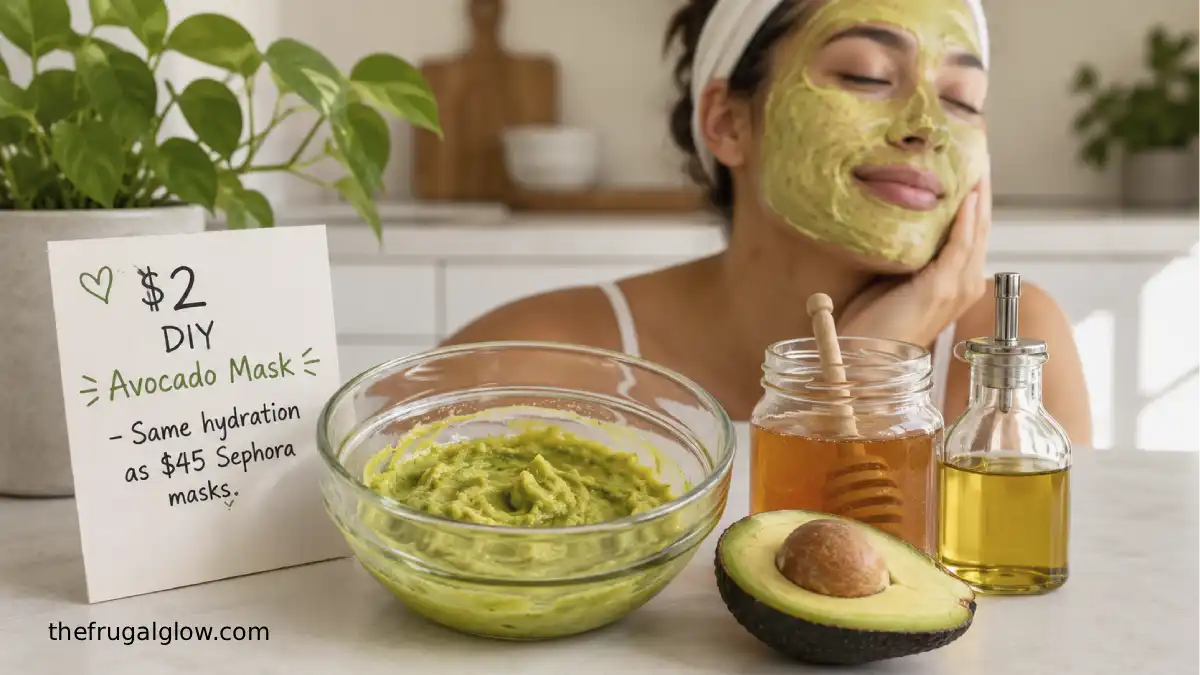
Let’s be real: winter is brutal on your skin. Between freezing air outside and dry indoor heat, it doesn’t take long before your face starts feeling tight and dehydrated.
I almost spent $45 on a fancy hydrating mask at Sephora—until I remembered my grandmother’s simple avocado and honey face mask. Instead, I grabbed two avocados for $2, mixed up my own mask, and after just 20 minutes, my skin felt incredibly soft and hydrated.
Today, I’m sharing this easy DIY avocado face mask, why it works so well, and how you can get that same healthy, glowing winter skin without spending a fortune.
Jump Links
- Why Avocados Are a Skincare Superfood
- The $2 DIY Avocado Face Mask Recipe
- Step-by-Step: How to Make and Apply It
- Custom Recipes for Different Skin Types
- The Science: What Dermatologists Say
- The Math: What I Saved in One Year
- Frequently Asked Questions (FAQ)
- Final Thoughts: Your Skin Doesn’t Know How Much You Spent
Why Avocados Are a Skincare Superfood
Let me explain why this green fruit is basically magic for your face.
Avocados are packed with nutrients that your skin craves. According to dermatologists, they are “rich in monounsaturated fats and vitamins C, A and E which all work together to support the structure, hydration and protection of your skin.” Without these nutrients, your skin can feel cracked, dry, and tight—especially in winter.
Dr. Majad Hussain, co-founder of a personalized dermatology service, confirms that “avocado is considered a superfood for skin health as it has so many great benefits, including antioxidant properties, boosting elasticity and fighting visible signs of aging.”
Here’s what makes avocados so powerful:
Healthy Fats: Avocados are packed with monounsaturated fatty acids that mimic the skin’s natural sebum, making them incredibly compatible with all skin types. These fats help strengthen your skin’s natural barrier, locking in moisture and keeping dryness at bay.
Vitamins C and E: These are powerful antioxidants that protect your skin from environmental damage. Vitamin C supports collagen production, which keeps skin firm and plump. Vitamin E protects your skin from damage and keeps it radiant.
Biotin: Avocados are a great source of biotin, a B vitamin that helps prevent dry skin when applied topically.
Anti-Inflammatory Properties: The omega-3 fatty acids and antioxidants in avocados calm irritation and reduce acne flare-ups. This makes avocados perfect for sensitive or reactive skin.
Skin Barrier Support: According to research, the oleic acid in avocados helps strengthen the skin barrier, which locks in moisture and protects against environmental aggressors.
A 2010 study of over 700 women found that a high intake of fat—especially healthy monounsaturated fat, like the fat found in avocados—helped increase skin elasticity and reduced the appearance of wrinkles.
So yeah. This green fruit is legit.
The $2 DIY Avocado Face Mask Recipe
Here’s my go-to recipe. It costs about $2 per mask and takes 5 minutes to make.
Ingredients:
| Ingredient | Why It Works | Cost |
|---|---|---|
| ½ ripe avocado | Deep hydration, vitamins, fatty acids | $0.50 |
| 1 tablespoon raw honey | Antibacterial, humectant, soothes inflammation | $0.20 |
| 1 teaspoon olive oil | Boosts moisture, adds antioxidants | $0.10 |
| Total | ~$0.80 |
What each ingredient does:
Avocado: Avocado hydrates the skin and helps to reduce inflammation, says skin expert Dr. Ross Perry. It’s the star of the show.
Honey: Raw honey works to make inflammatory acne look less angry because it has an osmotic effect on the skin—it can draw out excess fluid and help reduce inflammation. “Honey can be a calming agent, so it also helps to reduce redness,” says dermatologist Dr. Kavita Mariwalla.
Olive Oil: Adds an extra layer of hydration and antioxidants. It helps support the skin’s barrier function, leaving it feeling silky and smooth.
The consistency: The mask’s texture should be thick and gloppy, almost like the guac at your favorite restaurant.
Pro tip: Apply moisturizer immediately afterward for further moisturizing benefit. You want to seal in all that goodness.
Step-by-Step: How to Make and Apply It
Here’s my exact process. It takes less than 10 minutes.
Step 1: Prepare the avocado
Cut a ripe avocado in half. Remove the pit. Scoop the flesh into a bowl. Look for slightly soft skin with no dark spots.
Step 2: Mash it up
Use a fork to mash it into a smooth, lump-free paste. The smoother the mixture, the easier it will be to apply evenly.
Step 3: Add the extras
Stir in 1 tablespoon of raw honey and 1 teaspoon of olive oil. Mix until fully blended.
Step 4: Cleanse your face
Wash your face with a gentle cleanser and pat dry. This ensures better absorption of nutrients.
Step 5: Apply the mask
Apply a thin layer to your face and neck, avoiding the eye area. Things will get messy, so make sure you apply the DIY goo over the kitchen sink—or somewhere with a lot of towels—to avoid a scene out of a movie.
Step 6: Relax and wait
Leave it on for 15-20 minutes. Use this time to unwind—no talking or excessive facial movement to prevent cracking.
Step 7: Rinse thoroughly
Gently rinse off with lukewarm water, then pat dry. Follow with your favorite moisturizer.
How often: Use this mask 1–2 times per week. Overuse can lead to excess oil buildup, especially for combination or oily skin types.
Custom Recipes for Different Skin Types
Not all skin is the same. Here are variations for your specific needs.
For Dry or Mature Skin: Avocado + Honey + Olive Oil
- ½ avocado
- 1 tbsp raw honey
- 1 tsp extra-virgin olive oil
This ultra-nourishing blend delivers intense moisture and antioxidant protection. Ideal for winter months or post-sun exposure.
For Sensitive or Rosacea-Prone Skin: Avocado + Oatmeal + Aloe Vera
- ½ avocado
- 1 tbsp finely ground colloidal oatmeal
- 1 tbsp pure aloe vera gel
Calming and non-irritating, this mask soothes redness and strengthens the barrier. Oatmeal has FDA-approved skin-protectant properties, and aloe vera cools irritation instantly.
For Oily or Acne-Prone Skin: Avocado + Lemon Juice + Turmeric
- ½ avocado
- 1 tsp fresh lemon juice (use sparingly)
- ¼ tsp turmeric powder
A balancing formula that controls shine without over-drying. Turmeric reduces inflammation and bacteria, while lemon juice gently exfoliates.
For Dull or Uneven Skin Tone: Avocado + Yogurt
- ½ avocado
- 1 cup plain yogurt
Yogurt is naturally chock-full of lactic acid, which makes this mask gently exfoliating as well. Plus, a heap of probiotics doesn’t hurt.
The Science: What Dermatologists Say
The efficacy of avocado in skincare isn’t just folklore—it’s backed by research.
According to Dr. Ross Perry, founder of Cosmedics Skin Clinics: “If you’re suffering from winter skin that is dry, acne-prone and lacklustre, then make a face mask. Use cupboard ingredients such as honey, avocado, coconut oil and oatmeal, which will add hydration, exfoliate and really help to detox the skin.”
Dermatologist Dr. Kavita Mariwalla confirms that “avocado, yogurt, and olive oil work to bring moisture back into the skin, while the honey helps to soothe inflammation.”
A 2019 study in the Journal of Cosmetic Dermatology found that topical application of avocado oil significantly improved skin elasticity and hydration in participants after just two weeks of use. The study attributed these effects to the oil’s high concentration of phytosterols and omega-9 fatty acids, which mimic the skin’s natural lipids.
A clinical trial among 39 healthy, overweight women found that daily intake of one avocado for eight weeks improved firmness and elasticity of forehead skin.
What dermatologists warn: As with any DIY recipe, please patch-test before smearing all over. A simple avocado may sound harmless—especially if avo toast makes it on the brunch menu once or twice a week—but you can have a totally different reaction when you use ingredients topically.
The Math: What I Saved in One Year
Let me break down the actual dollars.
If I bought the $45 Sephora mask:
| Item | Cost | How Often | Annual Cost |
|---|---|---|---|
| Luxury hydrating mask | $45 | Once a week | $2,340 |
If I buy store-bought masks ($8 each):
| Item | Cost | How Often | Annual Cost |
|---|---|---|---|
| Drugstore hydrating mask | $8 | Once a week | $416 |
What I actually spend:
| Item | Cost | How Often | Annual Cost |
|---|---|---|---|
| Avocado (½ per mask) | $0.50 | 52 weeks | $26 |
| Honey | $0.20 | 52 weeks | $10.40 |
| Olive oil | $0.10 | 52 weeks | $5.20 |
| Total | ~$42 |
Annual savings vs. luxury mask: $2,298
Annual savings vs. drugstore masks: $374
Over 5 years vs. luxury: $11,490
Over 5 years vs. drugstore: $1,870
And my skin looks better now than it did with the expensive stuff.
Frequently Asked Questions (FAQ)
1. Can I really just use avocado on my face?
Yes. Just scoop out ½ an avocado and smear it on your face. Since avocado has so many skin-healthy benefits already, let the fruit work its magic on its own. Leave it on for 10 to 20 minutes and your skin should feel buttery smooth.
2. Is avocado oil better than fresh avocado?
Both work. Avocado oil penetrates the skin easily because its fatty acid complex is very similar to the skin’s protective mantle. However, fresh avocado has water-soluble vitamins that are lost in the extraction process when making oil. For maximum nutrient benefits, fresh avocado is the way to go.
3. What if I have an avocado allergy?
Always do a patch test before using it on your face. Apply a small amount of avocado or avocado oil to the inside of your elbow or wrist. If you have any sensitivity, you’ll notice itching, redness, swelling, or burning within a few hours. If you have any reaction, don’t use it.
4. How often should I use an avocado face mask?
Use it 1 to 2 times per week. Daily use may lead to excess oil buildup or clogged pores, particularly for combination or acne-prone skin.
5. Can I leave an avocado mask on overnight?
It’s not recommended. Avocado masks are meant for short-term use of 15 to 20 minutes. Leaving them on overnight can oxidize the ingredients, attract dust, and potentially cause breakouts.
6. Will avocado make me break out?
Probably not, if you use it correctly. The natural oils in avocado replenish dry skin without clogging pores. However, overuse can lead to excess oil buildup, especially for oily skin. Start with once a week and see how your skin responds.
7. What else can I add to my avocado mask?
Many additions work well. Yogurt provides gentle exfoliation with lactic acid. Oatmeal is soothing for sensitive skin. Lemon juice can help control oil. Coconut oil adds extra hydration. Aloe vera calms irritated skin. Choose based on your skin type.
8. Can I use overripe avocados?
Yes. Overripe avocados are actually easier to mash. Don’t throw them away. Instead, use them to make a nourishing, moisturizing mask.
Final Thoughts: Your Skin Doesn’t Know How Much You Spent
Here’s what I want you to take away.
That $45 mask I almost bought? It’s sitting on a Sephora shelf. My $0.80 avocado mask is in my kitchen. My skin is softer and more hydrated than it ever was with expensive products.
The ingredients that work are cheap. Avocados cost $1 each. Honey costs pennies. Olive oil costs pennies. You don’t need a $45 jar to get results.
You need one avocado, some honey, and 15 minutes.
The $2 routine:
- ½ ripe avocado ($0.50)
- 1 tablespoon raw honey ($0.20)
- 1 teaspoon olive oil ($0.10)
- 15-20 minutes on your face
- Rinse and moisturize
That’s it. A complete deep hydration treatment for less than the price of a coffee.
I’ve been using avocado masks for years. My skin is softer, more hydrated, and more radiant than it ever was with expensive products. And I’ve saved hundreds of dollars.
That’s not cheap. That’s smart.
That’s the frugal glow. And it’s waiting for you in your kitchen. 💛
For more DIY beauty recipes, budget skincare tips, and money-saving wellness strategies, visit The Frugal Glow.