

DIY Turmeric and Yogurt Spot Treatment: Say Goodbye to Acne Scars for Under $1
Jump Links
- Why Your Kitchen Might Be Hiding a Skincare Cure
- What’s Actually in Your Spice Rack: The Science Bit
- What You’ll Need (Spoiler: It’s Basically Nothing)
- How to Make and Use the Spot Treatment
- Turmeric vs. Yogurt: What Each One Actually Does
- Realistic Timeline: What to Expect and When
- Mistakes That’ll Turn Your Face Yellow (Literally)
- Who Should Skip This DIY
- Cost Breakdown: Why This Beats the $40 Serum
- The Bottom Line
- FAQ
Why Your Kitchen Might Be Hiding a Skincare Cure
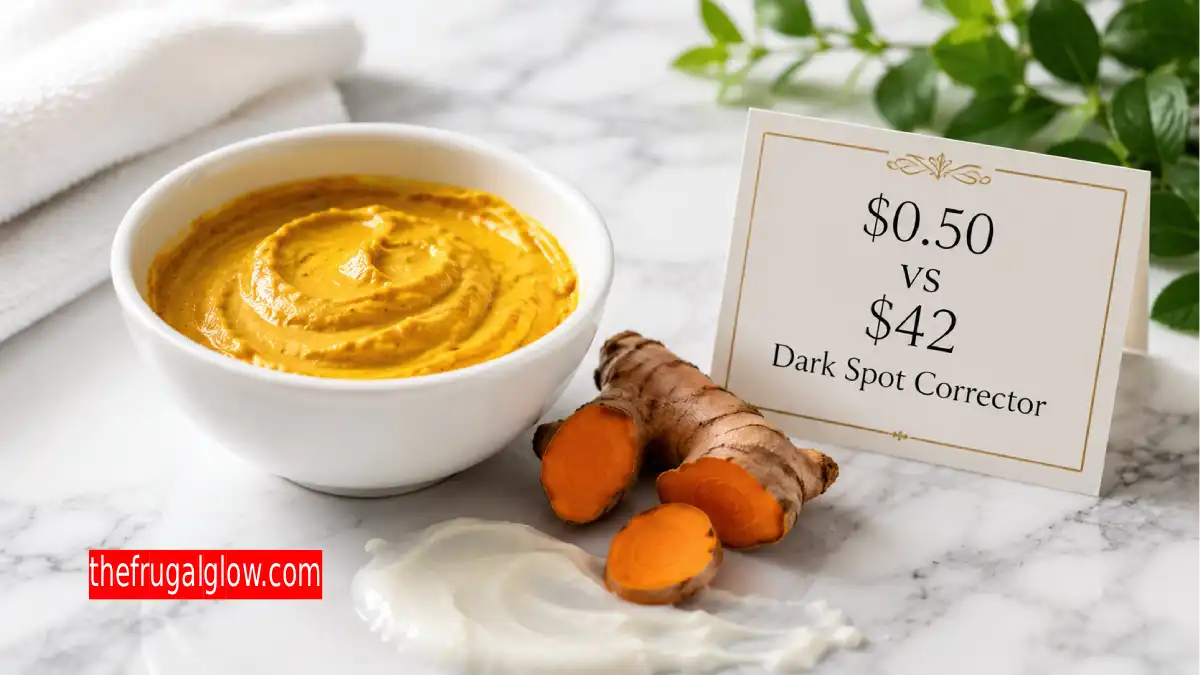
Let’s be real for a second. You’ve probably stood in the skincare aisle staring at a $42 “dark spot corrector” wondering if it’s actually worth it, or if you’re just paying for fancy packaging and a brand name. I’ve been there. My bathroom cabinet used to look like a mini Sephora graveyard of half-used serums that promised the world and delivered… fine results, for a lot of money.
Then I started digging into what’s actually in a lot of these pricey treatments, and here’s the thing: a bunch of them lean on ingredients you probably already have in your kitchen right now. Turmeric and yogurt are two of the biggest ones, and when you put them together, you get a spot treatment that costs next to nothing and has real research behind it.
This isn’t some random TikTok trend I’m passing off as fact. There’s an actual clinical trial that looked at curcumin (the active compound in turmeric) for acne scarring, and the results are genuinely promising for calming down redness and inflammation. So let’s break down exactly how to make this, how to use it without turning your face into a Cheeto, and what you can realistically expect.
What’s Actually in Your Spice Rack: The Science Bit
Turmeric isn’t just a trendy latte ingredient. The compound that makes it golden, curcumin, has been studied for its anti-inflammatory and antioxidant properties for decades. A randomized, double-blind clinical trial published in the Jundishapur Journal of Natural Pharmaceutical Products tested a bromelain-curcumin combination on people with acne scars and found that the treatment reduced inflammation and redness caused by acne after four weeks of use, suggesting curcumin-based treatments could genuinely help calm down the angry, inflamed look of fresh acne marks.
Now, that study used a supplement, not a DIY paste, so I’m not going to sit here and tell you a kitchen mask is a clinical-grade treatment. But it does back up what a lot of dermatology researchers have said for years: curcumin has real anti-inflammatory potential, and topical use may help take the edge off redness while your skin does its natural healing thing.
Yogurt brings its own thing to the table. Plain yogurt contains lactic acid, which is a gentle alpha hydroxy acid (AHA) that helps slough off dead skin cells and can support a more even skin tone over time. It’s also got a soothing, cooling effect, which helps offset turmeric’s slightly warming sensation on the skin. Together, you get a mild exfoliant paired with an anti-inflammatory, all wrapped up in something that costs less than a candy bar.
What You’ll Need (Spoiler: It’s Basically Nothing)
Here’s your full shopping list. If you cook even occasionally, there’s a solid chance you already have everything.
| Ingredient | Amount | Approx. Cost | Where to Find It |
|---|---|---|---|
| Ground turmeric | 1/2 teaspoon | $0.05 | Spice aisle, already in most kitchens |
| Plain, unsweetened yogurt | 1 tablespoon | $0.15 | Dairy aisle (whole milk yogurt works best) |
| Raw honey (optional) | 1/2 teaspoon | $0.10 | Baking aisle |
| Small bowl and spoon | — | $0 | You own these already |
Total cost for a single batch: around 20-30 cents, and that’s if you’re buying everything fresh. If it’s already sitting in your fridge and pantry, this treatment is basically free.
A quick note on the yogurt: go for plain and unsweetened. Flavored yogurts have added sugar and sometimes citrus or fruit acids that can irritate the skin, and you don’t want that anywhere near an active breakout or fresh scar.
How to Make and Use the Spot Treatment
Okay, let’s get into the actual how-to. This takes maybe five minutes from bowl to face.
- Mix your paste. In a small bowl, combine the turmeric and yogurt (and honey, if you’re using it) until you get a smooth, slightly thick paste. It should hold its shape on a spoon without dripping everywhere.
- Do a patch test first. Dab a small amount on your inner forearm and wait 24 hours. Turmeric can cause contact irritation in some people, so this step matters more than it sounds like it does.
- Cleanse your face. Wash with your regular cleanser and pat dry. Applying the paste to clean skin helps it actually do its job instead of sitting on top of oil and makeup residue.
- Apply directly to scars or dark spots. Using a cotton swab or clean fingertip, dab the paste only onto the areas you’re targeting. You don’t need to slather your whole face unless you’re using a diluted version as an all-over mask.
- Let it sit for 10-15 minutes. Set a timer. Leaving it longer doesn’t speed up results, it just increases your odds of staining your skin.
- Rinse with lukewarm water. Use gentle circular motions with a soft washcloth to help lift off any residue. Follow up with a light, fragrance-free moisturizer.
- Repeat 2-3 times per week. This isn’t a daily treatment. Your skin needs recovery time between applications.
Turmeric vs. Yogurt: What Each One Actually Does
| Ingredient | Main Active Compound | What It Targets | How It Feels |
|---|---|---|---|
| Turmeric | Curcumin | Redness, inflammation, post-acne discoloration | Warming, slightly gritty texture |
| Yogurt | Lactic acid | Dead skin buildup, dullness, uneven tone | Cooling, creamy texture |
Think of turmeric as the calming agent and yogurt as the gentle polish. Neither one is going to erase a deep pitted scar (more on that below), but for the flat, discolored marks left behind after a pimple heals, this combo is doing legitimate work.
Realistic Timeline: What to Expect and When
I’m not going to promise you overnight results because that’s just not how skin works, and anyone who tells you otherwise is trying to sell you something.
- Weeks 1-2: Skin may look slightly brighter after each use, but this is mostly temporary surface exfoliation, not the scar itself fading yet.
- Weeks 3-6: With consistent 2-3x weekly use, flat dark marks (the medical term is post-inflammatory hyperpigmentation) typically start showing visible improvement.
- Weeks 8-12: This is where most people notice a meaningful difference in the appearance of shallow discoloration, assuming you’re also using daily SPF, which is non-negotiable for fading any kind of mark.
If you’re dealing with textured, pitted, or raised scars rather than flat discoloration, this DIY treatment isn’t going to change the texture of your skin. That requires professional intervention like microneedling or laser treatments, and no amount of kitchen spice is a substitute for that.
Mistakes That’ll Turn Your Face Yellow (Literally)
I’m not exaggerating when I say turmeric stains. Here’s how to avoid the classic rookie errors:
- Leaving it on too long. More time does not equal more results. It just equals more staining risk.
- Using too much turmeric relative to yogurt. Keep the ratio light on turmeric. A little goes a long way.
- Applying it before a big event. Test this treatment on a random Tuesday, not the morning of a wedding, in case you end up with a faint yellow tint for a few hours.
- Skipping the patch test. Turmeric is a known contact allergen for some people. Don’t skip this step just because you’re excited to start.
- Using it daily. Over-exfoliating and over-treating can actually increase irritation and make dark marks worse, not better.
Who Should Skip This DIY
This one’s important. If you have active, inflamed, cystic acne, applying any DIY paste directly onto open or inflamed breakouts can introduce bacteria and potentially worsen things. This treatment is best suited for marks left behind after a pimple has already healed, not for active breakouts themselves.
If you have very sensitive skin, rosacea, eczema, or a known sensitivity to turmeric or dairy, talk to a dermatologist before trying this. And if your scarring involves noticeable texture changes rather than just color, a dermatologist can walk you through in-office options that will get you real results faster than any home remedy.
Cost Breakdown: Why This Beats the $40 Serum
| Product Type | Average Cost | Cost Per Use | Key Ingredient |
|---|---|---|---|
| Drugstore dark spot serum | $18-25 | $0.60-$0.90 | Niacinamide or Vitamin C |
| High-end dark spot serum | $40-70 | $1.30-$2.50 | Various actives |
| DIY turmeric and yogurt paste | $0.20-$0.30 | $0.20-$0.30 | Curcumin and lactic acid |
You’re looking at saving anywhere from $15 to $65 a month depending on what you’d normally reach for. That’s real money you can put toward SPF, which honestly matters more for scar fading than almost anything else in your routine.
For more budget-friendly beauty swaps like this one, check out more DIY skincare breakdowns over at The Frugal Glow, where we’re all about looking good without draining your wallet.
The 50-Cent Miracle: DIY Cucumber Mint Face Mist to Refresh Skin on a Budget
The Bottom Line
At the end of the day, you don’t need a fancy skincare fridge or a five-step Korean routine to start seeing real improvement in acne scars. Sometimes the most effective stuff is sitting right there in your spice rack and your fridge door. This turmeric and yogurt paste isn’t magic, and it won’t erase deep scarring overnight, but for those stubborn flat dark marks left behind after a breakout, it’s a legitimately science-backed, budget-friendly place to start. Give it a few consistent weeks, pair it with daily SPF, and be patient with your skin. It’s doing more work than you think.
FAQ
Does turmeric actually get rid of acne scars?
Turmeric can help fade flat, discolored marks left behind after acne heals thanks to curcumin’s anti-inflammatory properties, but it won’t change the texture of pitted or raised scars.
How often should I use a turmeric and yogurt mask?
Stick to 2-3 times per week. Daily use increases the risk of irritation and doesn’t speed up results.
Will turmeric stain my skin?
Temporarily, yes, especially if you leave it on too long or use too much. It typically fades within a few hours to a day and washes off with a gentle cleanser or oil-based makeup remover.
Can I use Greek yogurt instead of regular yogurt?
Yes, Greek yogurt works fine and is actually thicker, which can make the paste easier to control. Just stick with plain and unsweetened.
How long until I see results?
Most people notice visible fading of flat dark marks somewhere between 8 and 12 weeks with consistent use, paired with daily sunscreen.
Is this safe for sensitive skin?
Not necessarily. Always patch test first, and if you have rosacea, eczema, or a known turmeric sensitivity, check with a dermatologist before trying it.