

DIY Energy Balls: 5 Healthy Snack Recipes Under $0.30 Each
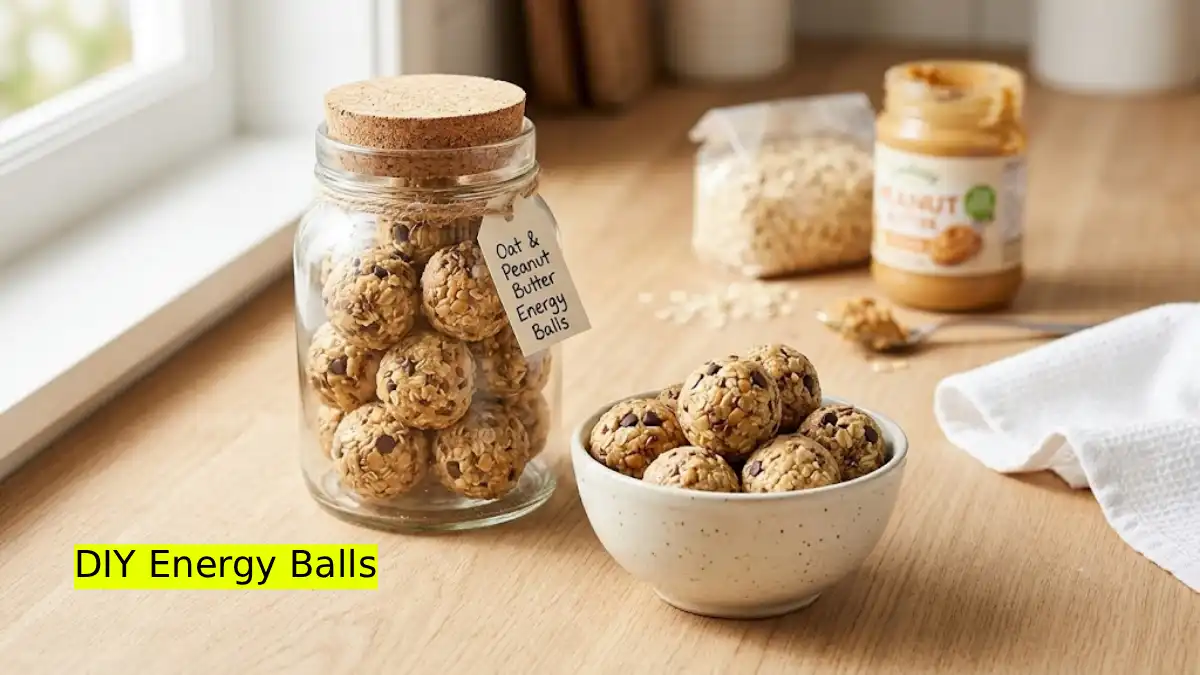
Store-bought protein and energy bars have gotten genuinely expensive — $1.50 to $3 per bar is common at this point, and that’s before factoring in a box of six or eight running $12 to $20 at checkout. Meanwhile, the exact same core ingredients in those bars (oats, nut butter, a natural sweetener, some mix-ins) are sitting on your own pantry shelf for a fraction of the cost, ready to become homemade energy balls that taste better, contain no mystery preservatives, and cost pennies more than the individual ingredients themselves.
Here are five different no-bake energy ball recipes, each landing under $0.30 per ball, along with the full cost breakdown so you can see exactly where that number comes from.
Jump Links
- Why Homemade Energy Balls Beat Store-Bought Bars
- General Tips for Making Any Energy Ball Recipe
- Recipe 1: Classic Peanut Butter Oat Bites
- Recipe 2: Chocolate Peanut Butter Protein Bites
- Recipe 3: 3-Ingredient Date and Oat Energy Balls
- Recipe 4: Coconut Almond Bites
- Recipe 5: Nut-Free Seed and Sunflower Butter Bites
- Full Cost Comparison Table
- Storage and Freezing Tips
- Customization Ideas
- FAQ
- The Bottom Line
Why Homemade Energy Balls Beat Store-Bought Bars
Beyond the obvious financial savings, making your own homemade energy balls gives you complete, total control over every single ingredient that goes into your body. This level of customization is a game-changer for anyone actively watching their added sugar intake, navigating specific food allergies, or simply wanting to eat real foods with labels they can actually read and pronounce. Commercial snack bars are often loaded with hidden palm oils, artificial binding agents, high-fructose corn syrups, and unnecessary chemical preservatives designed solely to extend shelf life rather than nourish your body.
Additionally, all five recipes on this list are 100% no-bake, meaning zero oven time, minimal heat in your kitchen, and a remarkably fast cleanup process—just mix, roll, chill, and you are done. Most of these variations come together in under 15 minutes of active hands-on preparation time, yielding a generous batch that easily lasts a full week stored in the refrigerator or several months safely frozen. This transforms them from a high-effort kitchen project into an exceptionally practical, repeatable grab-and-go meal prep solution for busy lifestyles.
General Tips for Making Any Energy Ball Recipe
- Buy key staples in bulk: Purchasing rolled oats, nut butter, chia seeds, and honey or maple syrup in bulk quantities whenever possible dramatically drops your overall cost-per-serving across every single recipe in this guide.
- Use a cookie scoop for uniform portioning: Utilizing a small stainless steel cookie scoop ensures perfectly consistent ball sizes every time, which not only looks visually appealing but also keeps your nutrition tracking and cost-per-ball calculations 100% accurate.
- Chill sticky dough before rolling: If your mixture feels too soft, warm, or sticky to handle immediately after mixing—especially in warmer kitchens—simply set the bowl in the fridge for 15 to 20 minutes to firm up before shaping.
- Lightly oil or dampen your hands: To prevent the dough from clinging to your palm, lightly mist your hands with cooking spray or lightly wet them with cold water rather than continually dumping in extra dry ingredients like oats or flour, which can dry out the texture.
- Do not skip the mandatory chill time: Allowing your rolled bites to rest in the refrigerator for at least 30 to 60 minutes after shaping is what helps the natural fats solidify, allowing the balls to properly firm up and hold their structural integrity without crumbling.
- Adjust moisture levels on the fly: Ingredients vary by brand; if your mixture feels overly dry or crumbly, incorporate a tiny drizzle of milk or liquid sweetener. Conversely, if it is too soft, toss in an extra tablespoon of flaxseed or rolled oats to achieve the perfect binding consistency.
Recipe 1: Classic Peanut Butter Oat Bites
A simple, reliable base recipe that works as the foundation for endless variations.
Ingredients (makes about 20 balls):
- 1 ½ cups old-fashioned rolled oats
- ¾ cup peanut butter
- ⅓ cup honey
- 1 teaspoon vanilla extract
- ¼ teaspoon salt
Instructions:
- Warm the peanut butter and honey together (microwave for about 30 seconds, or gently heat in a small saucepan) until easily stirrable.
- Stir in the vanilla and salt until combined.
- Fold in the oats until fully incorporated and the mixture holds together when pressed.
- Scoop into roughly 1 ½ tablespoon portions and roll into balls.
- Refrigerate for at least 45 minutes to firm up before serving.
Estimated cost per ball: ~$0.12–$0.18, based on bulk pricing for oats, peanut butter, and honey.
Recipe 2: Chocolate Peanut Butter Protein Bites
A richer, dessert-like variation that still keeps costs low thanks to cocoa powder’s affordability.
Ingredients (makes about 18 balls):
- 1 cup old-fashioned rolled oats
- ½ cup peanut butter
- ⅓ cup honey
- 2 tablespoons cocoa powder
- 2 tablespoons mini chocolate chips
- 1 teaspoon vanilla extract
Instructions:
- Combine peanut butter and honey in a bowl, warming slightly if needed to make mixing easier.
- Stir in the cocoa powder and vanilla until fully blended and smooth.
- Fold in the oats and mini chocolate chips until evenly distributed.
- Roll into balls and place on a parchment-lined tray.
- Refrigerate for about an hour, or until firm.
Estimated cost per ball: ~$0.15–$0.22, with the mini chocolate chips being the main cost driver in this recipe.
Recipe 3: 3-Ingredient Date and Oat Energy Balls
The simplest recipe on the list, relying on dates for natural sweetness and binding power instead of honey.
Ingredients (makes about 16 balls):
- 1 cup pitted dates (Medjool or Deglet)
- 1 cup old-fashioned rolled oats
- ½ cup peanut butter
Instructions:
- If your dates feel dry or firm, soak them in warm water for about 10 minutes, then drain well.
- Add the dates, oats, and peanut butter to a food processor and blend until the mixture comes together into a thick, cookie-dough-like consistency.
- If it’s too wet, add a bit more oats; if too dry, add a splash of water.
- Roll into balls using your hands or a small cookie scoop.
- Refrigerate for about 30 minutes before serving.
Estimated cost per ball: ~$0.10–$0.16, making this the most budget-friendly recipe on the entire list, largely because it skips the honey.
Recipe 4: Coconut Almond Bites
A slightly more indulgent-tasting option using almond butter and shredded coconut.
Ingredients (makes about 18 balls):
- 1 cup old-fashioned rolled oats
- ½ cup almond butter (or substitute peanut butter to save further)
- ¼ cup honey
- ⅓ cup unsweetened shredded coconut, plus extra for rolling
- ½ teaspoon vanilla extract
Instructions:
- Stir together the almond butter, honey, and vanilla until smooth and well combined.
- Fold in the oats and shredded coconut until fully incorporated.
- Roll into balls, then roll each one in a bit of extra shredded coconut for coating, if desired.
- Refrigerate for at least 30 minutes to firm up.
Estimated cost per ball: ~$0.18–$0.25, with almond butter pushing this recipe slightly higher than the peanut-butter-based options; swapping in peanut butter brings the cost down further.
Recipe 5: Nut-Free Seed and Sunflower Butter Bites
A great option for anyone avoiding nuts, whether for allergy reasons or school/classroom snack rules.
Ingredients (makes about 20 balls):
- 1 cup old-fashioned rolled oats
- ¼ cup sunflower seed butter
- ¼ cup peanut-free alternative butter or additional sunflower seed butter
- ½ cup ground flaxseed
- ⅓ cup honey
- 1 teaspoon vanilla extract
Instructions:
- Combine the sunflower seed butter and honey in a bowl, stirring until smooth.
- Mix in the vanilla and ground flaxseed until fully combined.
- Fold in the oats until the mixture holds together well.
- Roll into balls and place on a parchment-lined tray or plate.
- Refrigerate for 30 minutes to an hour before serving.
Estimated cost per ball: ~$0.14–$0.20, keeping this nut-free option genuinely competitive with the peanut-butter-based recipes on cost.
Full Cost Comparison Table
| Recipe | Approx. Yield | Cost Per Ball | Key Ingredients |
|---|---|---|---|
| Classic Peanut Butter Oat Bites | 20 balls | $0.12–$0.18 | Oats, peanut butter, honey |
| Chocolate Peanut Butter Protein Bites | 18 balls | $0.15–$0.22 | Oats, peanut butter, cocoa, chocolate chips |
| 3-Ingredient Date and Oat Energy Balls | 16 balls | $0.10–$0.16 | Dates, oats, peanut butter |
| Coconut Almond Bites | 18 balls | $0.18–$0.25 | Oats, almond butter, coconut |
| Nut-Free Seed and Sunflower Butter Bites | 20 balls | $0.14–$0.20 | Oats, sunflower seed butter, flaxseed |
Even the priciest recipe on this list — the coconut almond version — stays comfortably under the $0.30 target, and most land well below it, especially when using bulk-bought pantry staples rather than smaller, specialty-packaged versions of the same ingredients.
Storage and Freezing Tips
- Refrigerator storage: All five energy ball recipes keep exceptionally well in an airtight container in the fridge for 1 to 2 weeks. For the best texture, line your container with parchment paper between layers so they do not stick together during weekly meal prep.
- Freezer storage: Energy balls freeze remarkably well for long-term storage. Flash-freeze them in a single layer on a parchment-lined baking sheet for about an hour until solid, then transfer them to a heavy-duty freezer bag or airtight container for up to 6 months. This prevents them from clumping together so you can pull out just one or two at a time.
- Grab-and-go portioning: Pre-portioning your energy bites into small individual snack bags, glass jars, or silicone containers right after making a batch saves precious time during busy mornings. They are ready to toss straight into a lunch box, gym bag, or work tote without extra daily prep.
- Thawing and texture management: Most energy balls can be eaten straight from the freezer for a firm, chewy bite, or left to thaw for 5 to 10 minutes at room temperature for a softer consistency. The natural sugars from honey, maple syrup, or date pastes keep them from turning completely rock-solid when frozen.
Customization Ideas
- Add flavorful mix-ins: Personalize any base recipe by tossing in dried cranberries, tart cherries, raisins, unsweetened coconut flakes, chopped walnuts, or mini dark chocolate chips to add texture and variety to every batch.
- Boost the protein content: Easily convert these snacks into post-workout fuel by stirring in a scoop of your favorite plant-based or whey protein powder. If the mixture becomes a bit too dry, simply add a splash of almond milk or an extra spoonful of nut butter to balance the consistency.
- Swap the natural sweetener: Customize the flavor profile or make recipes strictly vegan by swapping honey for pure maple syrup, agave nectar, or brown rice syrup in equal ratios without disrupting the binding texture.
- Experiment with alternative nut and seed butters: Feel free to replace peanut butter with creamy almond butter, cashew butter, or allergen-friendly sunflower seed butter. Any rich nut or seed butter works seamlessly across all recipes with minimal adjustments needed.
- Incorporate aromatic spices and superfoods: Enhance the taste without adding extra cost by mixing in warm spices like cinnamon, nutmeg, ground ginger, or a pinch of flaky sea salt. You can also boost the nutrient density by folding in chia seeds, ground flaxseed, or hemp hearts.
📌 YOU MIGHT ALSO LIKE:
How to Hit 100g of Protein Daily for Under $4
FAQ
How can homemade energy balls really cost under $0.30 each?
By using bulk-purchased staples like oats, peanut butter, and honey rather than smaller, specialty-packaged versions. These core ingredients are inexpensive per serving even before factoring in that a single batch typically yields 16 to 20 balls from a relatively small amount of each ingredient.
Do I need a food processor to make these recipes?
Only the date-based recipe (Recipe 3) benefits significantly from a food processor, since it helps break down the dates. The other four recipes can be made entirely by hand with just a mixing bowl and a spoon.
How long do homemade energy balls actually last?
Stored in an airtight container, they typically keep for 1 to 2 weeks in the refrigerator, and up to 6 months in the freezer, making them a genuinely practical make-ahead snack.
Can I make these recipes without honey for a vegan version?
Yes, maple syrup is a common one-to-one substitute for honey in most energy ball recipes, including all of the honey-based recipes on this list.
Which recipe is the most budget-friendly overall?
The 3-Ingredient Date and Oat Energy Balls typically come in as the cheapest option, since it uses only three ingredients and skips honey entirely, relying on dates for both sweetness and binding.
Are these recipes safe for school or classroom snack rules that ban nuts?
The Nut-Free Seed and Sunflower Butter Bites recipe is specifically designed to avoid nuts, using sunflower seed butter and flaxseed instead, making it a solid option for nut-free environments.
The Bottom Line
Five different flavors, zero baking required, and every single recipe landing under $0.30 per ball — homemade energy balls are one of the easiest ways to cut snack spending without cutting corners on taste or nutrition. Batch a recipe (or all five) on a Sunday, stash them in the fridge or freezer, and you’ve got a genuinely affordable grab-and-go snack ready for the entire week.
For more budget-friendly food and wellness guides, check out more posts over at The Frugal Glow.