

The Genius Dish Soap Trick for Cleaning Fake Diamonds Without Scratching Them
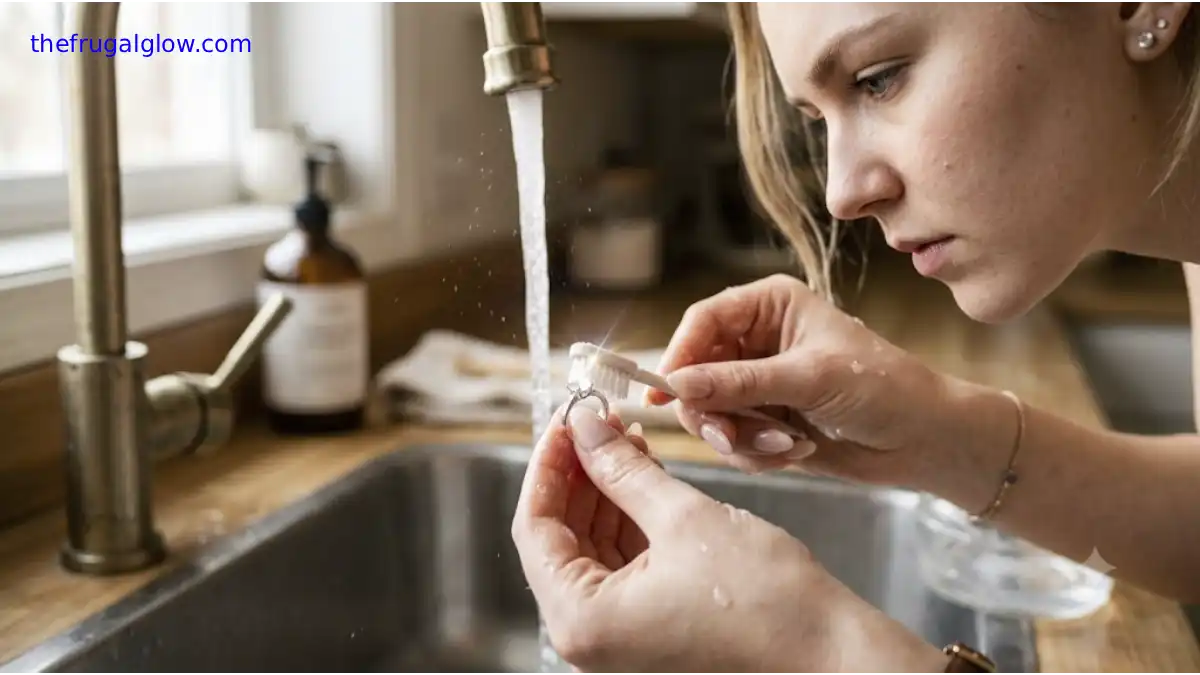
There’s a very specific kind of heartbreak that happens when you pull out your favorite cubic zirconia ring or rhinestone earrings for a night out and they look… foggy. Not sparkly. Not “catches-the-light-across-the-room” sparkly. Just kind of dull, like someone breathed on them and never wiped it off. If you’ve ever grabbed a jewelry cleaner off the shelf, scrubbed a little too hard with the included brush, and noticed micro-scratches dulling the stone even further afterward, you already know the frustration is real.
Here’s the good news: the safest, most effective way to clean fake diamonds is sitting on your kitchen sink right now, and it’s not some $15 specialty spray. It’s dish soap. That’s it. Used the right way, it lifts oils, lotion residue, and buildup off the surface of the stone without ever putting a scratch on it — something harsher cleaners and abrasive scrubbing genuinely can’t say. Let’s break down exactly why this works and how to do it properly.
Jump Links
- Why Fake Diamonds Get Cloudy in the First Place
- Why Dish Soap Works (and Why It’s Safer Than You’d Think)
- The Dish Soap Cleaning Method: Step-by-Step
- Cleaning Method Comparison Table
- What NOT to Use on Fake Diamonds
- Fake Diamond Material Guide: What’s Safe for Each Type
- How Often You Should Actually Clean Fake Diamond Jewelry
- Drying and Storage Tips That Prevent Cloudiness
- FAQ
- The Bottom Line
Why Fake Diamonds Get Cloudy in the First Place
Before jumping into the fix, it helps to know what’s actually happening on the surface of your jewelry, because it explains why this particular method works so well.
Most “fake diamonds” you’ll run into in budget and fashion jewelry are one of a few materials: cubic zirconia (CZ), rhinestones (which are usually glass or acrylic with a foil backing), or moissanite in higher-end pieces. What they all have in common is a faceted surface designed to bounce light around — and that same faceted surface is incredibly good at trapping stuff.
Body oils, hand lotion, perfume, makeup residue, soap scum, and just plain everyday dust settle into the tiny grooves between facets and around the setting. Over time, this buildup forms a thin film that blocks light from bouncing through the stone the way it’s supposed to, which is exactly what creates that dull, foggy look. It’s not damage — it’s just grime sitting between you and the sparkle.
This is also why scrubbing harder or reaching for a stronger chemical cleaner isn’t actually the answer. The problem isn’t that the stone needs to be “attacked” — it just needs the oily film lifted off, gently, without scraping the surface in the process.
Why Dish Soap Works (and Why It’s Safer Than You’d Think)
Dish soap was engineered to do exactly one job really well: break down grease and oil so it lifts off a surface in water instead of clinging to it. That’s precisely the kind of buildup sitting on your fake diamonds. A few drops mixed into warm water creates a mild, non-abrasive solution that lifts oils and residue away from every facet and crevice without needing any scrubbing pressure at all.
This lines up with what jewelry experts recommend for cubic zirconia specifically. According to a jewelry care guide from JTV, soaking jewelry in warm, soapy water allows the solution to reach every crevice of the piece, and letting it sit for five to ten minutes followed by a gentle brush with a soft-bristled brush and a rinse in warm water is enough to restore shine safely.
The “without scratching” part comes down to two things: dish soap itself isn’t abrasive (unlike toothpaste or baking soda, which some people mistakenly reach for), and the soak time does the heavy lifting instead of pressure from scrubbing. You’re not fighting the grime off — you’re dissolving it and letting it float away.
The Dish Soap Cleaning Method: Step-by-Step
What you’ll need:
- A small bowl
- Warm (not hot) water
- A few drops of mild dish soap — plain blue dish soap without added moisturizers or degreasing boosters works best
- A soft-bristled brush (a clean, unused baby toothbrush or makeup brush is ideal)
- A soft, lint-free cloth (microfiber works great)
Steps:
- Fill the bowl with warm water, not hot. Hot water can loosen glue on foil-backed rhinestones or certain settings, so warm is the safer choice across the board.
- Add two to three drops of mild dish soap and swirl gently to mix. You want a light, sudsy solution, not a thick soapy mess.
- Submerge the jewelry fully and let it soak for 5 to 15 minutes, depending on how dull or dirty it is. This soak time is doing most of the actual work, loosening buildup so you barely need to touch the stone afterward.
- Gently brush the stone and setting with the soft brush, paying extra attention to the underside of the stone and around any prongs, where dirt and oil love to hide.
- Rinse thoroughly under warm running water. This step matters more than people think — leftover soap residue can actually create its own dull film if it’s not fully rinsed away.
- Pat dry immediately with a soft, lint-free cloth. Don’t let jewelry air-dry, since that can leave water spots that make it look cloudy all over again.
- Buff gently with a dry section of the cloth for an extra bit of shine once everything is dry.
The whole process takes about 15–20 minutes mostly spent waiting, not scrubbing — which is exactly why it’s so much gentler than reaching for a stiff-bristled brush and going to town on the stone.
Cleaning Method Comparison Table
Here’s how the dish soap method stacks up against other common jewelry-cleaning approaches people try.
| Method | Scratch Risk | Effectiveness | Cost | Notes |
|---|---|---|---|---|
| Mild dish soap + warm water soak | Very low | High | Pennies per use | Gold standard for everyday cleaning |
| Toothpaste scrub | High | Moderate | Low | Abrasive ingredients can dull facets over time |
| Baking soda paste | High | Moderate | Low | Gritty texture risks micro-scratches |
| Glass cleaner (ammonia-based) | Moderate | High (short-term) | Low | Can degrade glue on foil-backed stones and settings over repeated use |
| Ultrasonic jewelry cleaner | Low–Moderate | Very high | $20–$50 (device) | Great for solid CZ, riskier for glued/foil-backed rhinestones |
| Alcohol wipe | Low | Moderate | Low | Fine for quick touch-ups, not deep cleaning |
| Specialty jewelry cleaning spray | Low | High | $10–$20 | Effective, but an added cost for something dish soap already does |
The dish soap soak wins on the combination that matters most for budget fake diamonds: it’s genuinely gentle, it’s genuinely effective, and it costs next to nothing since you already have it under the sink.
What NOT to Use on Fake Diamonds
A few well-meaning “hacks” actually do more harm than good, especially on rhinestones and lower-cost costume pieces.
- Toothpaste. It’s mildly abrasive by design (that’s how it works on teeth), and that same texture can dull the polish on faceted stones over repeated use.
- Baking soda scrubs. Same issue as toothpaste — the gritty texture is too rough for delicate facets, even if it seems “natural” and gentle.
- Ammonia-based glass cleaners. These can work in a pinch for solid cubic zirconia, but the ammonia can weaken the glue holding foil-backed rhinestones or pavé settings in place over time, according to jewelry care guidance that specifically flags harsh chemicals and glass cleaners as risky for delicate gemstone surfaces.
- Hot water. It won’t scratch anything, but it can loosen adhesive on glued settings, which is a real risk for costume jewelry and rhinestone pieces specifically.
- Rough paper towels or tissues. These can leave tiny scratches on both the stone and the metal setting; stick to soft, lint-free cloths only.
- Ultrasonic cleaners on foil-backed or glued stones. The vibration is fantastic for solid, well-set cubic zirconia, but it can knock loose stones that are held in with glue rather than prongs, which is common in a lot of affordable rhinestone jewelry.
Fake Diamond Material Guide: What’s Safe for Each Type
Not every “fake diamond” is made the same way, and knowing what you’re working with helps you avoid a costly mistake.
| Material | How It’s Set | Dish Soap Safe? | Special Notes |
|---|---|---|---|
| Cubic zirconia (prong-set) | Metal prongs | Yes | Most durable and forgiving fake diamond type |
| Cubic zirconia (glued) | Adhesive | Yes, with a shorter soak | Avoid long soaks that could loosen glue |
| Rhinestones (foil-backed) | Glue + foil backing | Yes, brief soak only | Never fully submerge for long periods; foil can tarnish if water gets behind it |
| Moissanite | Metal prongs | Yes | Extremely durable, handles cleaning well |
| Acrylic/plastic “diamonds” | Glue | Yes, gentle wipe preferred over soak | Soft material scratches more easily than glass or CZ |
| Rhinestone with pavé metal setting | Multiple tiny prongs/glue | Yes, extra gentle brushing around each stone | Focus on rinsing thoroughly between stones |
If you’re not sure what you’re dealing with, the safest default is a short soak (5 minutes or less), gentle brushing, and a thorough pat-dry — that combination is gentle enough to work across nearly every fake diamond type without guesswork.
How Often You Should Actually Clean Fake Diamond Jewelry
There’s no need to overdo it, but a light routine keeps stones consistently sparkly instead of letting buildup accumulate to the point where a deep clean is needed.
- Everyday-wear pieces (rings, stud earrings you wear constantly): a quick dish soap soak every one to two weeks.
- Occasional-wear pieces (statement necklaces, special-occasion earrings): clean before and after each wear, since that’s when oils and product buildup are freshest and easiest to remove.
- Jewelry that’s been sitting in a drawer for months: a slightly longer soak (up to 15 minutes) before wearing again, since dust settles into facets even without active wear.
Drying and Storage Tips That Prevent Cloudiness
Cleaning is only half the battle — how you dry and store fake diamond jewelry has a big impact on how long that sparkle actually lasts.
- Always dry immediately after cleaning. Letting pieces air-dry can leave mineral deposits from tap water that create a new layer of cloudiness.
- Store pieces separately, ideally in a soft pouch or lined jewelry box compartment, so stones don’t rub against other jewelry and pick up scratches or grime transfer.
- Avoid wearing jewelry in the shower, pool, or while applying lotion and perfume. These are the biggest everyday contributors to that cloudy film building back up quickly.
- Wipe with a soft cloth after each wear, even if you’re not doing a full soak. A quick 10-second wipe removes surface oils before they have a chance to build up into stubborn grime.
How to Fix a Stuck or Broken Zipper on Your Favorite Bag in 30 Seconds
FAQ
Can I use any dish soap, or does it need to be a specific brand?
Any mild, basic dish soap works fine. Avoid versions with added moisturizers, degreasers, or heavy fragrance additives, since simpler formulas are less likely to leave behind residue that dulls the shine.
Will this method work on jewelry that’s tarnished, not just dull?
Dish soap cleans away oil and dirt buildup, but it won’t reverse actual tarnish on the metal setting. For tarnished metal, a separate metal polishing cloth alongside the dish soap soak handles both issues at once.
Is it safe to soak an entire piece of jewelry, including the metal band?
Yes, for most costume and fashion jewelry with sturdy prong settings. The main exception is glued or foil-backed rhinestone pieces, where a shorter soak (or a damp-cloth wipe instead of full submersion) is the safer choice to avoid weakening the adhesive.
How can I tell if my stone is cubic zirconia or a rhinestone before cleaning?
Cubic zirconia is typically a solid, faceted stone held in place with metal prongs, while rhinestones usually have a flat foil backing and are glued into a metal or plastic setting. If you’re unsure, treat it like a rhinestone and stick to a brief soak rather than a long one.
Can this dish soap method restore a stone that’s scratched, not just dirty?
No — dish soap only removes surface buildup like oils and grime. It won’t fix actual scratches on the stone itself. If a stone already has visible scratches, that typically requires professional polishing or replacement rather than a home cleaning method.
Is it okay to use an old toothbrush instead of buying a special jewelry brush?
Absolutely, as long as the bristles are soft and the brush is clean. A soft, unused baby toothbrush or a clean makeup brush works just as well as a dedicated jewelry brush for this method.
The Bottom Line
Cloudy fake diamonds don’t need a specialty cleaner, a stiff-bristled scrub, or a trip to the jeweler — they just need a few drops of dish soap, some warm water, and a little patience while it soaks. It’s genuinely one of the simplest tricks out there: gentle enough to protect the stone, effective enough to bring back real sparkle, and cheap enough that you’ll never think twice about doing it regularly.
For more budget beauty and style tricks that keep everything looking expensive without the price tag, check out more guides over at The Frugal Glow.