

Rice Water for Hair and Skin: The Ancient, Ultra-Cheap Beauty Secret
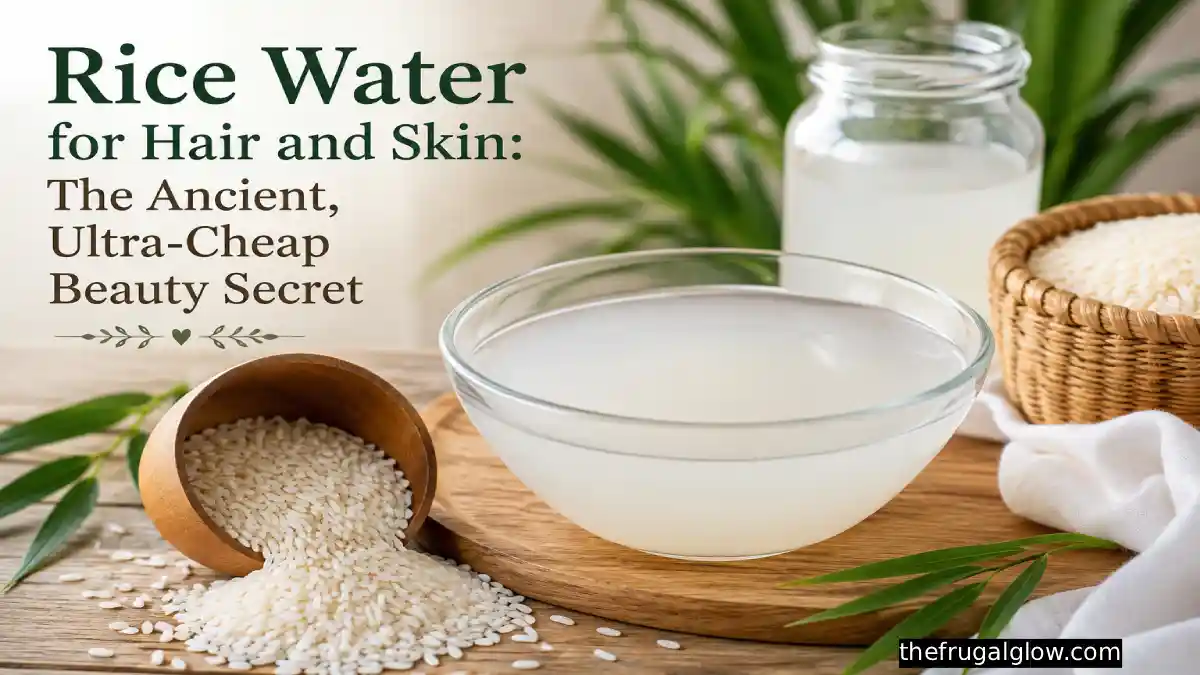
Long before serums with unpronounceable ingredient lists and $80 hair masks, there was rice water — a cloudy, faintly milky liquid made from nothing more than rice and water, used for centuries across parts of Asia for hair and skin care. The most famous example comes from the Red Yao women of China’s Longsheng region, whose exceptionally long, strong, dark hair well into old age has been credited in large part to a rice water ritual passed down for close to two thousand years.
What makes this genuinely interesting isn’t just the folklore — it’s that modern cosmetic science has actually gone looking for the mechanism behind it, and found some real, measurable compounds worth understanding. This is the full breakdown: the actual science behind rice water, exactly how to make it (including the fermentation step that changes everything), how to use it safely on both hair and skin, and an honest look at what the research does and doesn’t support.
Jump Links
- The Tradition Behind Rice Water
- What’s Actually in Rice Water: The Science
- Fermented vs. Plain Rice Water: Why It Matters
- What the Research Actually Shows
- Three Ways to Make Rice Water
- Method Comparison Table
- How to Use Rice Water on Your Hair
- How to Use Rice Water on Your Skin
- Usage Frequency Guide
- The Protein Overload Risk (and How to Avoid It)
- Storage and Shelf Life
- Cost Comparison
- FAQ
- The Bottom Line
The Tradition Behind Rice Water
The most widely referenced origin story behind rice water centers on the Red Yao women of Huangluo Yao Village in China’s Longsheng mountains, who cultivate a specific high-starch, short-grain rice on terraced hillsides and have used fermented rice water as their primary hair wash for generations. These women are internationally recognized for maintaining exceptionally long, strong, jet-black hair well into old age, with notably minimal graying — a consistency across generations that has drawn genuine research and cosmetic industry interest into the practice, rather than dismissing it as pure folklore.
While individual genetics certainly play some role in any community’s hair characteristics, the sheer consistency of the pattern, paired with a very specific, repeatable ritual, is exactly what’s motivated modern researchers to look more closely at what’s actually happening chemically in that fermented liquid.
What’s Actually in Rice Water: The Science
Rice water isn’t just starchy water — depending on how it’s prepared, it contains several genuinely active compounds worth understanding individually.
Inositol: Often described as the star compound in rice water, inositol is a type of sugar molecule (sometimes classified as a B-vitamin, B8) with free-radical-fighting properties that may help protect against hair breakage. Research specifically looking at inositol’s effect on hair has found that it can penetrate the hair shaft and continue offering protective benefits even after rinsing — a genuinely notable finding, since most topically applied ingredients simply wash away and stop working the moment they’re rinsed off.
Pitera: A byproduct specifically generated during the fermentation process, pitera is associated with cellular renewal and has become well known in the skincare world as a key ingredient in several premium Japanese and Korean beauty serums, most notably built around fermented rice byproducts.
Amino acids and peptides: During fermentation, beneficial microbes break down the rice’s proteins and starches into smaller, more easily absorbed peptides, increasing how effectively the solution’s nutrients can actually be utilized by hair and skin compared to unfermented rice water.
Antioxidants: Fermentation has been shown in general research to meaningfully increase antioxidant levels in fermented substances, adding another layer of protective benefit specifically tied to the fermentation step rather than plain soaking.
Fermented vs. Plain Rice Water: Why It Matters
This distinction genuinely changes the entire conversation around rice water’s effectiveness. Plain, unfermented rice water — made simply by soaking or rinsing rice briefly — is essentially a mild, starchy rinse. Fermentation transforms that same base liquid into what’s frequently described as a living, bioactive solution, meaningfully richer in beneficial compounds than raw rice water alone.
The mechanism comes down to pH and microbial activity. Fermentation lowers rice water’s pH to approximately 4.0 to 4.5, which sits much closer to the natural, healthy pH of hair (roughly 3.6 to 5.5) than plain water’s neutral pH of 7. This more acidic environment helps flatten the hair cuticle, which seals in moisture and improves how light reflects off the hair shaft — the actual mechanism behind rice water’s reputation for boosting shine.
Timing matters more than a lot of casual guides suggest. According to a detailed breakdown of the fermentation process, inositol development builds progressively over time: at 12 hours of fermentation, only about a third of the potential inositol has formed; by 24 hours, roughly 65%; by 36 hours, approximately 85%; and by the 48-hour mark, fermentation reaches around 95% of maximum inositol development. This is a genuinely useful detail for anyone following a quick “let it sit for a few hours” recipe and wondering why results feel underwhelming — a longer fermentation window meaningfully changes the final product’s potency.
What the Research Actually Shows
It’s worth being honest and balanced here, since rice water sits in an interesting space between genuine folk tradition and preliminary modern science. Overall, there hasn’t been a large volume of rigorous, high-quality clinical research specifically testing rice water itself (as opposed to related rice-derived ingredients), though the available studies do point toward real, plausible benefits.
A 2022 systematic review of 10 studies looking at rice bran specifically (a related but distinct ingredient from plain rice water) found promising evidence for hair growth support, with rice bran application potentially increasing the production of growth factors that help cells grow during the active hair growth phase, while also possibly slowing the enzymatic activity associated with hair entering a resting, non-growth phase. That same review didn’t look specifically at rice water itself, but it does suggest a plausible scientific basis for some of rice water’s broader reputation.
On the skin side, a 2018 study using a gel formulation containing 96% rice water (compared against a placebo gel with no active ingredients) found measurable benefits, and separate research from 2013 found rice water potentially helpful for improving visible sun damage, alongside additional research pointing to antioxidant-related benefits for reducing visible signs of aging. Emerging research has also begun exploring how components in fermented rice water may activate specific cellular receptors involved in skin barrier function, potentially reducing inflammation and supporting cellular renewal, alongside early findings suggesting rice water use may positively influence the skin and scalp microbiome.
The honest summary: rice water has a genuinely plausible scientific basis, several specific compounds with documented individual benefits, and a strong traditional track record — but it hasn’t yet been subjected to the volume of large-scale clinical trials that would allow for definitive, universal claims. It’s reasonable to try it with genuine optimism grounded in real science, while keeping expectations realistic rather than treating it as a guaranteed miracle solution.
Three Ways to Make Rice Water
Method 1: Quick Soak (fastest, mildest)
- Rinse ½ cup of rice under running water for about a minute to remove surface dust and dirt.
- Add the rinsed rice to a bowl with 2 to 3 cups of water.
- Let it soak for 30 minutes to a few hours, swirling occasionally.
- Strain out the rice, keeping the cloudy water.
Method 2: Boiled Rice Water (uses cooking water you’d otherwise discard)
- Cover ½ cup of rice with roughly double the water you’d normally use for cooking.
- Cook the rice as usual in the boiling water.
- Once cooked, strain the rice, collecting the starchy cooking water into a clean bowl.
- Let the collected water cool completely before use.
Method 3: Fermented Rice Water (most potent, requires patience)
- Rinse ½ cup of rice 2 to 3 times until the rinse water runs almost clear, removing dust and excess surface starch.
- Combine the rinsed rice with 2 to 3 cups of water in a glass jar.
- Cover loosely (fermentation produces a small amount of gas, so avoid a fully airtight seal) and let it sit at room temperature, ideally between 70–77°F.
- Ferment for 24 to 48 hours depending on desired potency — longer fermentation develops meaningfully higher inositol levels, as detailed above.
- Strain out the rice, keeping the fermented liquid.
- Refrigerate immediately after straining and use within about one week.
Method Comparison Table
| Method | Time Required | Potency | Best For |
|---|---|---|---|
| Quick Soak | 30 minutes–several hours | Mild | Beginners testing rice water for the first time |
| Boiled Rice Water | Length of a normal cooking session | Mild–Moderate | Using cooking water you’d otherwise pour out |
| Fermented (24 hours) | 24 hours | Moderate (~65% max inositol development) | A balanced option for regular use |
| Fermented (48 hours) | 48 hours | High (~95% max inositol development) | Maximum potency for experienced users |
How to Use Rice Water on Your Hair
- Shampoo as normal first, since rice water works best as a treatment applied to clean hair rather than over product buildup.
- Pour or spray rice water evenly through damp hair, focusing on the lengths and ends rather than saturating the scalp heavily if you have an oily scalp.
- Massage gently into the scalp and through the strands, allowing it to coat the hair evenly.
- Let it sit for 5 to 20 minutes, depending on your patience and hair’s tolerance (start on the shorter end if this is your first time trying it).
- Rinse thoroughly with cool or lukewarm water.
- Follow with a moisturizing conditioner. This step genuinely matters — rice water’s protein-rich profile pairs best with a conditioning step afterward to maintain hair’s moisture-protein balance (more on this below).
How to Use Rice Water on Your Skin
- Apply to clean, freshly washed skin, using a cotton pad or spray bottle for even application.
- Pat or spray gently across the face, avoiding the direct eye area.
- Let it absorb for a few minutes rather than rinsing immediately, allowing the skin time to take in the liquid’s compounds.
- Follow with your regular moisturizer, since rice water alone isn’t a substitute for a complete skincare routine.
- Store leftover rice water in a small spray bottle in the fridge for quick, refreshing touch-ups throughout the week.
Usage Frequency Guide
Consistent guidance across multiple sources converges on a similar recommendation: use rice water once or twice a week maximum for hair, and it can be used slightly more often (up to about three times weekly) for skin specifically, since skin doesn’t carry the same protein-overload risk that hair does. Overusing rice water on hair, especially fine or low-porosity hair, risks a genuine issue worth understanding in more detail below.
The Protein Overload Risk (and How to Avoid It)
This is one of the most important, and most frequently skipped, pieces of rice water guidance. Because rice water is rich in proteins and amino acids, using it too frequently — especially on fine or low-porosity hair — can lead to protein overload, a condition where hair becomes stiff, brittle, and prone to breakage rather than the smooth, strong result you’re actually going for.
To avoid this:
- Stick to the once-or-twice-weekly frequency guideline, rather than treating rice water as a daily rinse.
- Always follow a rice water treatment with a moisturizing conditioner, which helps rebalance hair’s protein-to-moisture ratio and maintain flexibility.
- Pay attention to how your specific hair type responds. Fine or low-porosity hair is generally more prone to protein sensitivity than coarser or higher-porosity hair, so those hair types may want to start even more conservatively (once weekly or less) before increasing frequency.
- Watch for warning signs, including unusual stiffness, increased breakage, or hair that feels rougher rather than smoother after a few weeks of use — these are signals to scale back frequency immediately.
Storage and Shelf Life
- Plain or quick-soak rice water: Best used the same day it’s made, or refrigerated and used within 1 to 2 days, since it doesn’t contain the preservative effect fermentation provides.
- Fermented rice water: Once strained and refrigerated, fermented rice water is generally recommended for use within about one week, since fermentation’s antimicrobial properties extend shelf life somewhat compared to plain rice water, but it’s still a fresh, preservative-free product.
- Storage container: A clean glass jar with a lid is ideal; always use clean utensils or pour directly rather than dipping fingers into stored rice water repeatedly.
- Signs it’s gone bad: An off, sour smell beyond the normal mild fermented tang, visible mold, or unusual discoloration are all signs to discard a batch and start fresh.
Cost Comparison
| Item | Cost |
|---|---|
| ½ cup rice (from a standard bag) | Roughly $0.15–$0.30 |
| Water | Effectively free |
| Total per batch | Under $0.50, often closer to $0.20–$0.30 |
| Comparable commercial rice-ferment serum/essence | $20–$80+ |
Even accounting for the time investment of fermentation, the raw material cost of homemade rice water is genuinely negligible compared to commercial products built around similar fermented rice ingredients, some of which are marketed as premium, high-end skincare specifically because of their rice-fermentation base.
📌 YOU MIGHT ALSO LIKE:
Digital Detox: 3 Secret Phone Settings That Reclaim 2 Hours of Your Life Daily
FAQ
Is fermented rice water actually better than plain rice water, or is that just marketing?
There’s a real scientific basis for this distinction. Fermentation lowers rice water’s pH closer to hair’s natural acidity, breaks proteins down into more easily absorbed peptides, and increases beneficial compounds like inositol and pitera, all of which plain, unfermented rice water doesn’t develop to the same degree.
How long should I ferment rice water for the best results?
Fermentation potency builds progressively over time, with inositol development reaching roughly 65% of maximum around 24 hours and approximately 95% of maximum around 48 hours. A 24-to-48-hour fermentation window is generally recommended for meaningful potency.
Can rice water actually help with hair growth, or is that overstated?
The direct evidence specifically for rice water and hair growth remains limited, though related research on rice bran (a related but distinct ingredient) has found promising signals for supporting hair growth mechanisms. Most of rice water’s more consistently supported benefits center on hair strength, elasticity, and shine rather than confirmed growth stimulation specifically.
Is it true that rice water can damage hair if used too often?
Yes, this is a real risk worth taking seriously. Rice water’s protein-rich composition can lead to protein overload with overuse, particularly on fine or low-porosity hair, resulting in stiff, brittle hair prone to breakage. Sticking to once or twice weekly, and always following with a moisturizing conditioner, helps avoid this.
Does rice water work the same way on skin as it does on hair?
The underlying beneficial compounds (antioxidants, amino acids, fermentation byproducts) offer benefits to both, though the specific mechanisms differ somewhat — hair benefits center heavily on the cuticle-sealing, pH-related effects, while skin benefits relate more to antioxidant activity and potential effects on skin barrier function and the skin microbiome.
How much rice water should I make at one time?
A batch made from about ½ cup of rice and 2 to 3 cups of water typically yields enough for several uses, and given the roughly one-week shelf life of fermented rice water, this batch size avoids unnecessary waste while providing enough for a couple of applications within that window.
The Bottom Line
Rice water sits in a genuinely rare spot for a beauty trend: a centuries-old tradition with a real, growing body of modern cosmetic science behind it, made from an ingredient that costs pennies rather than dollars. Fermentation is the real key to unlocking its most beneficial compounds, and used correctly — with the right frequency and a good follow-up moisturizer or conditioner — it’s a genuinely low-risk, low-cost addition worth trying for both hair and skin.
For more budget beauty guides and ancient beauty secrets that actually hold up, check out more posts over at The Frugal Glow.
Sources: