

The Ultimate Frugal Guide to DIY Aloe Vera Ice Cubes for Puffiness and Redness
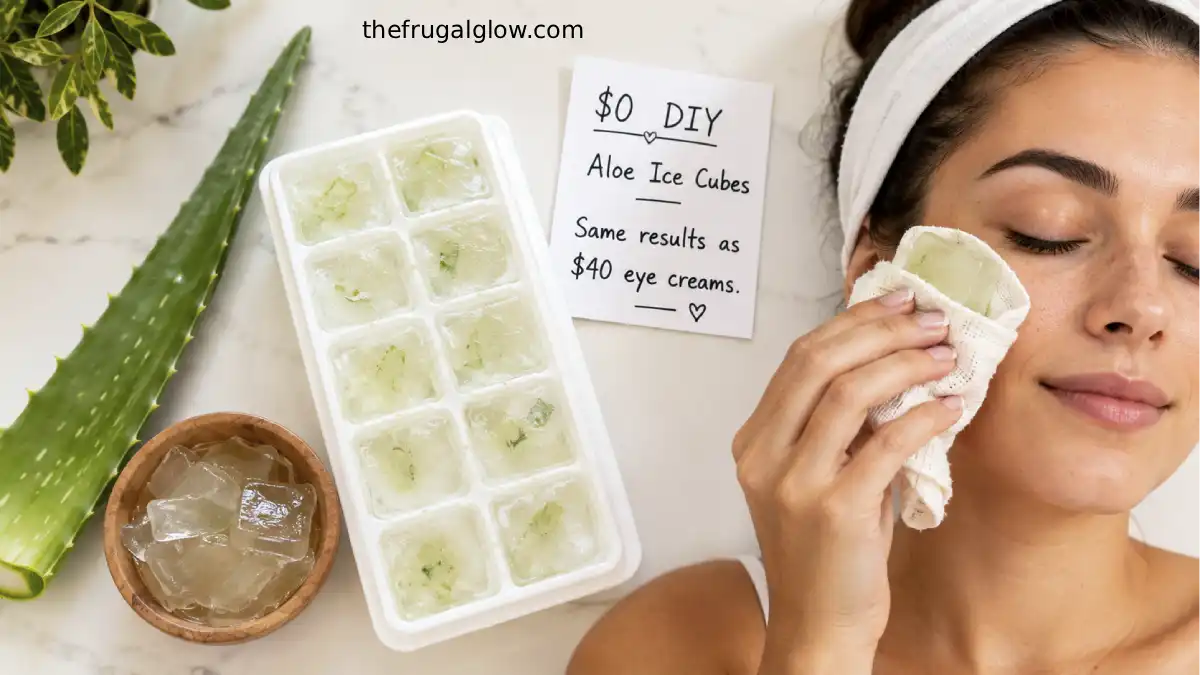
If you’ve ever looked in the mirror after a sleepless night and noticed puffy eyes or irritated, red skin, you’re not alone. The good news? You don’t need to spend a fortune on trendy skincare products to calm your complexion. One of the simplest beauty hacks starts with a single plant that’s probably already sitting on a windowsill or available at your local grocery store. DIY aloe vera ice cubes are an affordable, refreshing way to soothe tired skin, zap the appearance of puffiness, and give your face an instant, radiant glow.
Jump Links
- Why Aloe Vera Ice Cubes Are a Skincare Game-Changer
- The Science: What Dermatologists and Estheticians Say
- The $0 DIY Aloe Vera Ice Cube Recipe
- How to Extract Aloe Vera Gel (Without the Mess)
- Custom Recipes for Every Skin Concern
- How to Use Aloe Vera Ice Cubes for Best Results
- How Long Do They Last? (Storage Tips)
- My Biggest Mistakes (So You Don’t Make Them)
- The Math: What I Saved in One Year
- Frequently Asked Questions (FAQ)
- Final Thoughts: The Best Depuffer Is Already on Your Windowsill
Why Aloe Vera Ice Cubes Are a Skincare Game-Changer
Let me explain why this simple DIY is so effective.
Aloe vera is a skincare powerhouse. This humble plant has been used for centuries for its healing properties. According to experts, aloe vera is packed with vitamins, minerals, enzymes, and antioxidants that hydrate, soothe, and heal your skin without burning a hole in your pocket [citation:1]. Whether you are dealing with sunburn, dryness, acne, or dullness, a dollop of fresh aloe gel can calm irritation, speed up cell regeneration, and leave your skin plump and glowing [citation:1].
Why freeze it? Here’s the secret. Popping aloe vera in the freezer takes the healing benefits to another level because the ice shrinks pores while amping up the circulatory and anti-inflammatory benefits [citation:5]. The cooling effect helps constrict blood vessels and reduce swelling, leaving you looking refreshed and revitalized [citation:11].
The benefits at a glance:
| Benefit | How It Works |
|---|---|
| Reduces puffiness | Cold constricts blood vessels, reducing swelling around eyes and face [citation:1][citation:11] |
| Calms redness and inflammation | Aloe’s anti-inflammatory compounds soothe irritated skin instantly [citation:1][citation:11] |
| Hydrates without clogging pores | Aloe’s humectant properties lock in moisture [citation:1][citation:11] |
| Minimizes pores | Cold temperature helps shrink pores for a smoother appearance [citation:5] |
| Soothes sunburn and irritation | Aloe’s healing properties cool and calm angry skin [citation:1][citation:5] |
The Science: What Dermatologists and Estheticians Say
This isn’t just internet hype. Dermatologists and estheticians back this up.
Dr. Brahmanand Nayak explains that aloe vera gel has amazing anti-inflammatory properties. Applying the chilled gel to irritated or inflamed skin can provide instant relief and reduce redness [citation:11]. He also notes that the gel’s natural humectant properties help lock in moisture, leaving your skin supple and hydrated [citation:11].
Esthetician Liz Kennedy (founder of Beauty Magnet) confirms that “aloe vera contains the natural compound aloin, which has anti-inflammatory and antioxidant benefits. When applied topically this helps reduce redness and irritation and soothes the skin simultaneously.” [citation:10]
She also notes that aloe vera ice cubes work great in the AM to reduce puffiness or irritation from retinol, and that you’ll feel immediate results in terms of a cooling effect [citation:10].
What the research shows: A 2019 study in the Journal of Cosmetic Dermatology found that topical application of aloe vera significantly improved skin hydration and elasticity. While clinical studies specifically on frozen aloe are limited, the combination of aloe’s proven anti-inflammatory properties and the vasoconstrictive effects of cold is well-documented in dermatology.
One expert puts it simply: “Aloe vera is hands down the cheapest skin elixir you can get your hands on, and the best part is, it actually works.” [citation:1]
The $0 DIY Aloe Vera Ice Cube Recipe
Here’s the basic recipe. It costs nothing if you have an aloe plant. If you don’t, a leaf costs about $2-3 at the grocery store.
Basic Recipe (makes 12-16 cubes):
| Ingredient | Amount |
|---|---|
| Fresh aloe vera gel (from 1-2 large leaves) | ~1/2 cup |
| Optional: rose water or filtered water | 1-2 tablespoons |
Tools you’ll need:
- Sharp knife
- Spoon or vegetable peeler
- Blender or food processor (optional, but recommended)
- Ice cube tray
- Freezer-safe storage bag or container
The process:
- Extract the gel from your aloe leaf (see detailed instructions below)
- Transfer the gel to a blender and pulse until smooth
- Pour into an ice cube tray (fill each compartment about 3/4 full)
- Freeze for 4-6 hours or overnight
- Pop out the cubes and transfer to a freezer-safe bag
The “aloin warning”: Fresh aloe leaves release a yellow, gooey substance called aloin when cut. “Aloin is an irritant and you don’t want that in your ice cubes.” [citation:4] Let the cut leaf sit upright in a bowl for 10-15 minutes to drain this yellow sap before extracting the gel [citation:4][citation:7].
How to Extract Aloe Vera Gel (Without the Mess)
This is the most time-consuming part, but it gets easier with practice.
Method 1: The “Filet” Method
- Wash your aloe leaf, hands, and cutting surface to prevent bacteria [citation:5]
- Cut off the spiny side edges with a sharp knife
- Carefully slice off the green skin from the top of the leaf by running the knife just under the skin [citation:5]
- Flip the leaf over and do the same to the bottom side
- You’ll be left with a fillet of clear gel
- Rinse the gel to remove any remaining yellow sap
Method 2: The “Scoop” Method
- Cut the leaf into 1-inch sections
- Cut off the spiny sides
- Lay each piece flat and use a spoon to scoop out the clear gel [citation:7]
- Discard the green skin
Pro tip from The Crunchy Moose: Leave a thin layer of the bottom skin on your gel pieces. “That layer makes your leaf less slippery and easier to handle” [citation:4].
What if you don’t have a fresh plant? You can use 100% pure store-bought aloe vera gel. Just make sure it contains no additives, preservatives, or artificial colors. Look for “100% pure aloe vera gel” on the label [citation:7][citation:5].
Custom Recipes for Every Skin Concern
The basic recipe is great, but you can level it up by adding other natural ingredients.
For Puffiness & Tired Eyes (Morning Wake-Up):
- ½ cup fresh aloe vera gel
- 1 tablespoon rose water (soothing and refreshing)
Rose water adds extra hydration and has soothing properties [citation:1].
For Redness & Inflammation (Sensitive Skin Soother):
- ½ cup fresh aloe vera gel
- ½ teaspoon turmeric powder (anti-inflammatory)
- 1 teaspoon raw honey (soothing and moisturizing)
According to one DIY enthusiast, “the honey is also moisturizing and anti-inflammatory, the turmeric evens skin-tone and reduces redness.” [citation:2]
For Acne & Breakouts (Clarifying Formula):
- ½ cup fresh aloe vera gel
- ½ teaspoon ground ginger (reduces scars, protects against UV)
- Few drops tea tree oil (antibacterial, but dilute well)
“Ginger reduces scars and protects against UV rays,” and tea tree oil adds antibacterial properties [citation:2].
For Sunburn & Post-Sun Care (Cooling Relief):
- ½ cup fresh aloe vera gel
- 2-3 strawberries (rich in vitamin C and AHAs)
- 1 tablespoon cucumber juice (extra cooling)
Strawberries are rich in Vitamin C and alpha-hydroxy acids that help brighten dull skin and fight acne-prone skin. When combined with aloe vera, this ice cube soothes inflammation and hydrates the skin deeply [citation:9].
The “Lizzo” Method:
As celebrity esthetician Liz Kennedy notes, you can also “mix aloe vera with ice in a blender and then freeze into ice cubes.” [citation:10] This is perfect for when you need that “aloeussy” moment (yes, Lizzo went viral for this) [citation:10].
Safety note: “As with any DIY recipe, please patch-test before smearing all over. A simple avocado may sound harmless—especially if avo toast makes it on the brunch menu once or twice a week—but you can have a totally different reaction when you use ingredients topically.”
How to Use Aloe Vera Ice Cubes for Best Results
Here’s how to get the most out of your frozen aloe cubes.
Morning Wake-Up Call (5 minutes):
- Remove one cube from the freezer
- Wrap it in a thin, clean cloth or paper towel to prevent frostbite [citation:8]
- Gently rub it all over your face, focusing on puffy areas
- Use light, circular motions and avoid staying in one spot for too long [citation:5]
- Let the gel absorb into your skin
- Rinse with cool water (optional) and pat dry
Why this works: “The instant cooling effect instantly calms inflammation and reduces puffiness. Also, the aloe vera gel hydrates and refreshes the skin without clogging the pores. Your skin will exactly feel like an iced latte, which can be applied first thing in the morning.” [citation:1]
Post-Irritation Relief (after waxing, threading, or sun exposure):
- Apply a cube directly to irritated areas
- Let the gel melt and absorb
- Don’t rinse off—allow your skin to fully absorb all the aloe as it dries on your skin [citation:4]
As a Natural Makeup Primer:
- Glide a cube all over your face after cleansing
- Let it dry completely before applying foundation
- “This shrinks your pores but also allows the skin to look fresh and dewy throughout the day.” [citation:1]
As an Overnight Treatment:
While the cubes are too cold for overnight use, you can apply a thin layer of fresh aloe vera gel before bed. “My skin feels incredibly soft and plump by morning.” [citation:8]
Precautions:
- Never hold the cube too long in one place [citation:5]
- Always wrap in cloth if you have sensitive skin
- Avoid the eye area if you’re prone to sensitivity
How Long Do They Last? (Storage Tips)
Aloe vera ice cubes can be stored in the freezer for up to 6 months in an airtight bag or container [citation:4][citation:7].
Storage tips:
- Pop the frozen cubes out of the tray once they’re completely solid
- Transfer to a freezer-safe ziplock bag or airtight container
- Remove as much air as possible before sealing
- Label with the date (they’re best within 1-2 months for maximum freshness)
How many cubes per batch: One large aloe leaf typically yields 12-16 ice cubes, depending on your tray size.
Can I refreeze them? “While you could refreeze and reuse your cubes if you have extra gel left after you use them, I don’t recommend it.” [citation:4] The texture and potency degrade with multiple freeze-thaw cycles.
My Biggest Mistakes (So You Don’t Make Them)
I made plenty of mistakes when I first started. Learn from me.
Mistake #1: Not draining the aloin.
My first batch had that yellow sap. My face turned red and irritated. Always let the cut leaf drain for 10-15 minutes before extracting the gel. “Aloin is an irritant an you don’t want that in your ice cubes.” [citation:4]
Mistake #2: Using the whole leaf.
I tried to use the green skin too. Don’t. Only the clear gel—the green part can irritate your skin.
Mistake #3: Not blending enough.
Chunky gel = chunky ice cubes. Blend until it’s smooth, like a silky serum consistency. “Blend the aloe gel thoroughly until it foams slightly; this creates a smooth texture that’s easier to apply.” [citation:2]
Mistake #4: Rubbing too hard.
I scrubbed aggressively. Bad idea. “Use light, circular motions and glide the cube across your face and body until you have the soothing effect you’re after.” [citation:5]
Mistake #5: Skipping the patch test.
I assumed aloe was safe for everyone. It usually is, but do a patch test first, especially if you’re adding ingredients like turmeric or essential oils.
Mistake #6: Holding the cube in one spot.
I left the cube on my under-eye area for too long. Big mistake. “Never hold the cube too long in one place.” [citation:5] Keep it moving.
The Math: What I Saved in One Year
Let me break down the actual dollars.
If I bought the $40 depuffing eye cream:
| Item | Cost | How Often | Annual Cost |
|---|---|---|---|
| Luxury depuffing eye cream | $40 | Every 2 months | $240 |
| Soothing face mask | $15 | Once a week | $780 |
| Total | $1,020 |
What I actually spend (DIY aloe cubes):
| Item | Cost | How Often | Annual Cost |
|---|---|---|---|
| Aloe vera leaf (if buying) | $3 | Every 4 months | $9 |
| Aloe plant (one-time) | $10 | Never again | $10 |
| Honey, turmeric (already in pantry) | $0 | – | $0 |
| Total | ~$10-20 |
Annual savings: $1,000+
Over 5 years: $5,000+
And my skin looks better now than it did with the expensive stuff.
Why You Should Stop Buying Luxury Cleansers: 3 Kitchen Oils That Melt Makeup for Pennies
Frequently Asked Questions (FAQ)
1. Can I use store-bought aloe vera gel instead of fresh?
Yes, but check the label carefully. “You can use 100% pure store-bought aloe vera gel. Ensure it contains no additives or preservatives for the best results.” [citation:7][citation:5] Avoid gels with added colors, fragrances, or alcohol.
2. How often should I use aloe vera ice cubes?
“It depends on your skin’s needs and sensitivity. You can start by using them 2-3 times a week and gradually increase or decrease the frequency based on how your skin responds.” [citation:11] Some people use them daily in the morning to reduce puffiness [citation:1].
3. Can aloe vera ice cubes help with acne?
Yes. “Aloe vera gel ice cubes can come to the rescue” for acne-prone skin. The antibacterial and antimicrobial properties help soothe inflammation and accelerate the healing process [citation:11]. One reviewer noted that it “calms my breakouts and leaves my skin feeling refreshed.” [citation:11]
4. Are aloe vera ice cubes safe for sensitive skin?
“Yes, aloe vera gel is generally well-tolerated by sensitive skin. However, it’s always advisable to perform a patch test before applying it to your entire face. If any irritation occurs, discontinue use.” [citation:11]
5. How long do aloe vera ice cubes last in the freezer?
“Aloe vera ice cubes can typically be stored in the freezer for up to 6 months. Be sure to keep them in an airtight container to prevent freezer burn.” [citation:4][citation:7] For maximum freshness, use them within 1-2 months.
6. Can I use aloe vera ice cubes on my body?
“Absolutely! Aloe vera gel ice cubes can be used on any part of your body that needs soothing, hydration, or rejuvenation. They work wonders on sunburned shoulders, dry elbows, or even irritated scalps.” [citation:11]
7. What if I don’t have an aloe plant?
You can buy fresh aloe leaves at most grocery stores (usually in the produce section) for $2-3 each. Or use 100% pure store-bought gel [citation:7][citation:5]. Just avoid gels with added ingredients.
8. Can I add essential oils to my aloe cubes?
“Yes, you can use 100% pure store-bought aloe vera gel. Ensure it contains no additives or preservatives for the best results.” [citation:8] Just make sure to dilute essential oils properly (a few drops per half cup of gel) and always patch test first.
9. What if my skin feels too cold or uncomfortable?
Always wrap the ice cube in a thin, clean cloth or use a cotton pad to protect your skin from extreme cold [citation:8][citation:5]. And “never hold the cube too long in one place.” [citation:5]
10. Can I use aloe vera ice cubes after sun exposure?
Yes! “Aloe vera is often hailed as a sunburn remedy. Applying aloe vera gel ice cubes to sunburned skin can provide cooling relief, reduce redness, and speed up the healing process.” [citation:11] One expert says they “treat mild sunburns like magic.” [citation:1]
Final Thoughts: The Best Depuffer Is Already on Your Windowsill
Here’s what I want you to take away.
That $40 eye cream I almost bought? It’s sitting on a Sephora shelf. My free aloe vera ice cubes are in my freezer. My puffy morning eyes have never looked better.
The ingredients that work are cheap. Aloe vera costs pennies. Honey costs pennies. Turmeric costs pennies. You don’t need a $40 jar to get results.
You need an aloe plant (or a $3 leaf), some water, and 5 minutes.
The $0 routine:
- Extract fresh aloe gel
- Blend with optional add-ins
- Freeze in an ice cube tray
- Rub on your face in the morning
- Watch puffiness and redness disappear
That’s it. A complete depuffing treatment for almost nothing.
I’ve been using aloe vera ice cubes for over a year. My morning puffiness is gone. My redness is calmed. My skin is more hydrated and glowing than it ever was with expensive products. And I’ve saved hundreds of dollars.
That’s not cheap. That’s smart.
That’s the frugal glow. And it’s waiting for you on your windowsill. 💚
For more DIY beauty recipes, frugal skincare tips, and money-saving wellness strategies, visit The Frugal Glow.
- The Times of India. “How to make aloe vera ice cubes for instant glowing skin.” [citation:1]
- Lemon8. “DIY Aloe Ice Cubes For Clear Pores & Soft Skin.” [citation:2]
- Lemon8. “Aloe Vera Ice Cubes for Glowing Skin.” [citation:3]
- The Crunchy Moose. “DIY Aloe Vera Ice Cubes.” [citation:4]
- Vitacost. “Freezing Aloe Vera for Skin Care.” [citation:5]
- Lemon8. “Aloe vera face pops.” [citation:6]
- How To Grow Plant. “How to Make Aloe Vera Ice Cubes.” [citation:7]
- Lemon8. “DIY Aloe Vera Face Pops.” [citation:8]
- The Daily Jagran. “5 Fruit Ice Cubes That Refresh And Rejuvenate Summer Skin.” [citation:9]
- The Zoe Report. “Lizzo Using Aloe Vera To Heal A Sunburn.” [citation:10]
- Dr. Brahmanand Nayak. “What are the benefits of Aloe vera gel ice cubes?” [citation:11]
- Zee News. “Beauty ice cubes: New trend for glowing skin.” [citation:12]