

7 Drugstore Moisturizers That Hydrate Better Than $100 Luxury Creams
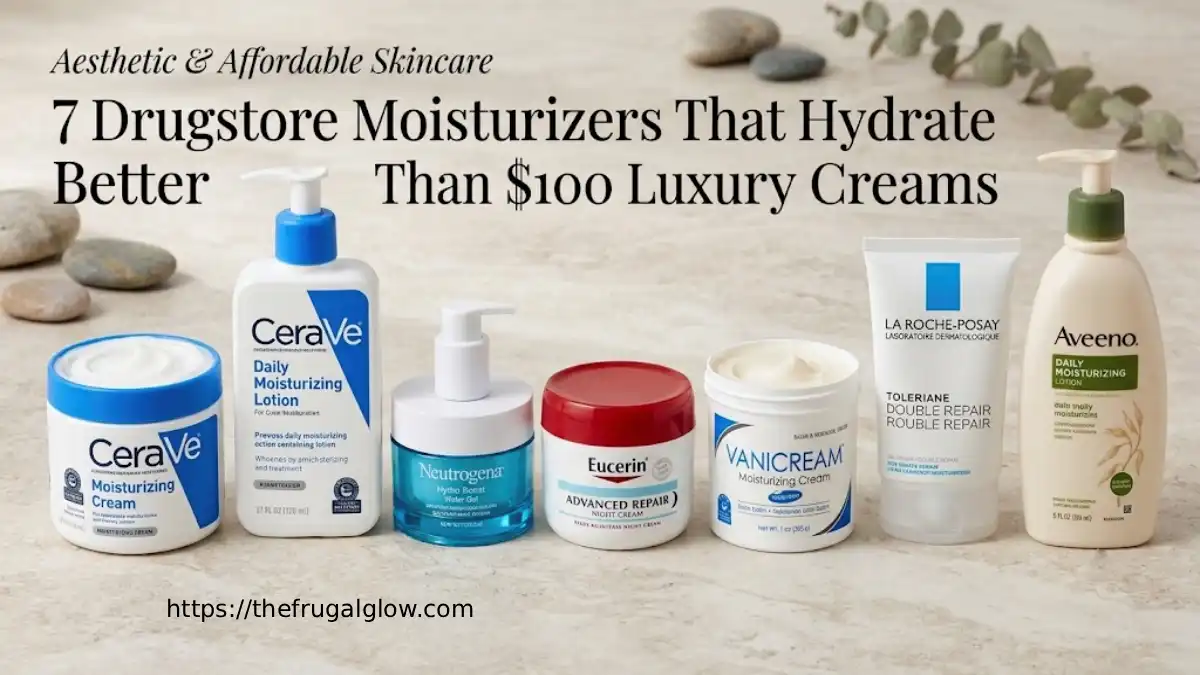
There’s a persistent myth in skincare that a bigger price tag automatically means better hydration, and it’s simply not backed up by how moisturizers actually work. The ingredients that genuinely hydrate skin — hyaluronic acid, ceramides, glycerin, niacinamide — are well-studied, relatively inexpensive to formulate, and work essentially the same whether they’re in a $14 jar or a $150 one. What actually determines whether a moisturizer works is the formulation and concentration of those ingredients, not the packaging or the marketing budget behind it.
That’s genuinely good news for anyone tired of paying luxury prices out of fear that the drugstore alternative “just won’t be as good.” Below are seven drugstore moisturizers that dermatologists actually recommend, broken down by what’s in them, who they’re best for, and why the science behind them holds up against far pricier competitors.
Jump Links
- Why Price and Hydration Aren’t Actually Linked
- What to Look for in a Truly Hydrating Formula
- The 7 Drugstore Moisturizers
- Ingredient Comparison Table
- Drugstore vs. Luxury Price Comparison Table
- Matching the Right Moisturizer to Your Skin Type
- When a Pricier Product Might Actually Be Worth It
- How to Layer Your Moisturizer for Maximum Hydration
- FAQ
- The Bottom Line
Why Price and Hydration Aren’t Actually Linked
Moisturizer is one of the more interesting categories in skincare precisely because it’s one where the correlation between price and performance is genuinely weak. According to dermatologist-reviewed analysis from The Amaranthine Collective, moisturizer is one of the categories where price and performance just aren’t strongly linked, since ceramides, hyaluronic acid, glycerin, and niacinamide are inexpensive, well-studied ingredients that work just as well in a budget cream as in one that costs several times more.
This isn’t a fringe opinion — it’s reflected across major dermatology-reviewed roundups every year, where drugstore staples like CeraVe consistently appear as top picks recommended directly by board-certified dermatologists, often ranking above much pricier department store and specialty brands in blind or ingredient-based comparisons.
What genuinely separates a great moisturizer from a mediocre one isn’t the price tag — it’s whether the formula actually contains meaningful concentrations of proven hydrating ingredients, whether it’s free of unnecessary irritants like added fragrance, and whether the texture and occlusive properties match what your specific skin type needs.
What to Look for in a Truly Hydrating Formula
Before getting into specific products, it helps to know what you’re actually looking for on an ingredient label, since this is the real predictor of how well a moisturizer performs.
- Humectants (hyaluronic acid, glycerin): these pull water into the skin’s surface layers, which is the “hydration” part of the equation.
- Ceramides: these are lipids that occur naturally in skin and make up a significant portion of the skin barrier; adding them back through a moisturizer helps repair and reinforce that barrier.
- Occlusives (petrolatum, dimethicone, shea butter): these sit on top of skin and slow water loss, effectively locking hydration in after the humectants have done their job.
- Niacinamide: supports moisture retention and helps boost the skin’s own natural ceramide production over time.
- No unnecessary fragrance or essential oils: fragrance is one of the most common causes of irritation and doesn’t add any hydrating benefit, regardless of how luxurious it smells.
A formula hitting most or all of these points, at meaningful concentrations, is doing the actual work — regardless of what the price tag says.
The 7 Drugstore Moisturizers
1. CeraVe Moisturizing Cream
- The Formula & Science: Widely considered the undisputed gold standard of budget barrier repair, this rich cream delivers three essential ceramides (1, 3, and 6-II) that mirror the lipids naturally found in human skin. Paired with hyaluronic acid to draw in moisture and heavy-hitting occlusives like petrolatum and dimethicone, it forms a protective seal that prevents transepidermal water loss (TEWL) for hours.
- Texture & Everyday Wear: Despite its thick, decadent consistency, it absorbs into a soft, velvety finish without leaving a sticky or slick film. It is completely fragrance-free, non-comedogenic, and carries the National Eczema Association Seal of Acceptance — a medical-grade backing that many $150+ creams lack.
- Versatility & Value: Its robust formula makes it an exceptional multi-tasker; it functions seamlessly as a night cream for the face or a targeted treatment for dry patches on elbows, knees, and hands.
- Luxury Equivalent: Compares directly to heavy barrier-repair creams like La Mer Crème de la Mer or SkinCeuticals Triple Lipid Restore, delivering equivalent barrier protection for a fraction of the price.
2. CeraVe Daily Moisturizing Lotion
- The Formula & Science: The lighter, fluid sibling to the original cream, this lotion utilizes the exact same trio of skin-identical ceramides and hyaluronic acid. What sets it apart is CeraVe’s patented MultiVesicular Emulsion (MVE) delivery technology, which releases hydrating ingredients slowly over 24 hours rather than all at once.
- Texture & Everyday Wear: Featuring a breathable, silky liquid texture, it sinks into the skin almost instantly, making it ideal for layering under SPF or makeup. It provides steady, middleweight hydration without clogging pores or leaving behind excess shine.
- Who It’s Best For: Perfect for normal-to-combination skin types, or for anyone who finds heavy creams too suffocating during humid summer months or morning routines.
- Luxury Equivalent: Replaces high-end lightweight lotions like Clinique Dramatically Different Moisturizing Lotion or Drunk Elephant Protini, offering superior long-term barrier support.
3. Neutrogena Hydro Boost Water Gel
- The Formula & Science: Built specifically for skin that craves water rather than heavy oil, this gel centers around purified hyaluronic acid. It acts as a moisture sponge, absorbing up to 1,000 times its weight in water to plump the epidermis instantly.
- Texture & Everyday Wear: The ultra-lightweight, cool-to-the-touch gel melts into a liquid-like consistency upon application, disappearing into the skin within seconds. The fragrance-free formulation ensures that even reactive, acne-prone skin gets deep hydration without feeling weighed down.
- Who It’s Best For: An absolute essential for oily, congested, or acne-prone skin types that break out easily under traditional oil-based creams.
- Luxury Equivalent: Matches the cooling hydration of prestige water gels like Belif The True Cream Aqua Bomb or Peter Thomas Roth Water Drench.
4. Eucerin Advanced Repair (or Q10 Anti-Wrinkle Night Cream)
- The Formula & Science: Eucerin leverages a high concentration of vegetable glycerin alongside both micro and macro hyaluronic acid molecules. This dual-weight approach ensures hydration penetrates superficial skin layers while smoothing the outermost surface barrier.
- Texture & Everyday Wear: Rich, cushiony, and deeply comforting, Eucerin formulas excel at soothing tight, flaky, or dehydrated skin. It provides a dewy finish that seals in moisture overnight without feeling overly tacky.
- Who It’s Best For: Essential during harsh, cold-weather seasons or dry climates when ambient humidity drops and skin requires sustained, heavy-duty moisture retention.
- Luxury Equivalent: Functions identically to high-end dry-skin balms like Augustinus Bader The Rich Cream or Kiehl’s Ultra Facial Cream.
5. Vanicream Moisturizing Cream
- The Formula & Science: Vanicream operates on the philosophy of elimination. Its stripped-back formulation contains zero dyes, fragrance, masking fragrance, lanolin, parabens, or formaldehyde releasers, focusing purely on basic, effective occlusives and humectants.
- Texture & Everyday Wear: Dense and protective, Vanicream creates an immediate shield over compromised skin. While it takes an extra minute to rub in compared to cosmetic-focused creams, it guarantees absolute calm and zero stinging upon application.
- Who It’s Best For: The ultimate safe-haven moisturizer for individuals suffering from severe eczema, rosacea, active contact dermatitis, or skin recovering from strong prescription retinoids (like Tretinoin).
- Luxury Equivalent: Replaces expensive dermatological flare-up creams like Avene Cicalfate+ or La Roche-Posay Cicaplast Baume B5 for daily base hydration.
6. La Roche-Posay Toleriane Double Repair Face Moisturizer
- The Formula & Science: Sitting right at the intersection of affordable drugstore pricing and clinical French pharmacy expertise, this formula combines barrier-restoring ceramides, soothing niacinamide (Vitamin B3), and hydrating glycerin with prebiotic thermal spring water.
- Texture & Everyday Wear: It features a unique cream-gel hybrid texture that feels light yet deeply nourishing. It restores the skin’s natural microbiome and repairs broken barriers without feeling greasy or heavy.
- Who It’s Best For: Ideal for combination, sensitive, and acne-prone skin types that need redness relief (thanks to niacinamide) alongside oil-free moisture.
- Luxury Equivalent: Competes head-to-head with high-end barrier treatments like Tatcha The Dewy Skin Cream or Kora Organics Active Algae Lightweight Gel-Cream.
7. Aveeno Daily Moisturizing Lotion (or Clear Complexion)
- The Formula & Science: Aveeno harnesses the proven anti-inflammatory and soothing powers of prebiotic colloidal oatmeal paired with rich emollients. The natural oat complex helps balance the skin’s naturally protective pH and calms irritated skin tissue.
- Texture & Everyday Wear: Fast-absorbing and non-greasy, it leaves skin feeling smooth, soft, and balanced. It offers a subtle matte-to-natural finish that works exceptionally well as a daily body or face moisturizer.
- Who It’s Best For: A dependable, everyday choice for oily, sensitive, or easily irritated skin that needs balanced moisture without synthetic additives or complex chemical formulas.
- Luxury Equivalent: Offers the same oat-soothing benefits as expensive clean-beauty brands like First Aid Beauty Ultra Repair Cream.
📌 YOU MIGHT ALSO LIKE:
Why I’m Bulk-Buying These 3 ‘Drugstore’ Skincare Basics Before the Price Jump
Ingredient Comparison Table
Here’s how these seven drugstore picks stack up against each other by core ingredient category.
| Moisturizer | Ceramides | Hyaluronic Acid | Niacinamide | Fragrance-Free | Best Texture For |
|---|---|---|---|---|---|
| CeraVe Moisturizing Cream | Yes (3 types) | Yes | No | Yes | Dry to very dry skin |
| CeraVe Daily Moisturizing Lotion | Yes (3 types) | Yes | No | Yes | Normal to dry skin, lighter feel |
| Neutrogena Hydro Boost Water Gel | No | Yes (core ingredient) | No | Yes | Oily/combination, all-day lightweight hydration |
| Eucerin (glycerin-based formulas) | No (varies by formula) | Yes | No | Varies by formula | Very dry skin, cold-weather use |
| Vanicream Moisturizing Cream | No | No | No | Yes | Sensitive, reactive, eczema-prone skin |
| La Roche-Posay Toleriane Double Repair | Yes | No | Yes | Yes | Acne-prone, combination skin |
| Aveeno (Clear Complexion/Daily Lotion) | No | Varies by formula | No | Varies by formula | Oily, acne-prone skin |
No single product on this list checks every box, and that’s actually the point — the “best” one depends entirely on your specific skin type and concerns, not on which one is priced the highest.
Drugstore vs. Luxury Price Comparison Table
To put the price gap in perspective, here’s roughly how these drugstore picks compare cost-wise to luxury moisturizers built around similar core ingredients.
| Category | Typical Drugstore Price | Typical Luxury Price | Core Ingredients Often Shared |
|---|---|---|---|
| Ceramide-based barrier cream | $14–$20 | $60–$150+ | Ceramides, cholesterol, fatty acids |
| Hyaluronic acid gel moisturizer | $15–$25 | $50–$120+ | Hyaluronic acid at varying molecular weights |
| Glycerin-rich night cream | $15–$22 | $80–$200+ | Glycerin, humectant blends |
| Niacinamide barrier formula | $16–$24 | $50–$110+ | Niacinamide, ceramides |
| Fragrance-free sensitive-skin cream | $12–$18 | $40–$90+ | Minimal ingredient lists, barrier lipids |
The overlap in core active ingredients between these two price tiers is often significant — the biggest differences tend to be packaging, added fragrance or “luxury” texture enhancers, and marketing, rather than a meaningful jump in actual hydrating performance.
Matching the Right Moisturizer to Your Skin Type
- Very dry or eczema-prone skin: Reach for CeraVe Moisturizing Cream or Vanicream, both of which prioritize barrier-repair ingredients and occlusives without fragrance.
- Normal to slightly dry skin: CeraVe Daily Moisturizing Lotion or a glycerin-based Eucerin formula offer solid hydration without excessive heaviness.
- Oily or acne-prone skin: Neutrogena Hydro Boost Water Gel or an Aveeon lightweight formula deliver hydration without contributing to breakouts or excess shine.
- Combination skin: La Roche-Posay Toleriane Double Repair balances hydration with a lighter feel that won’t overwhelm oilier zones like the T-zone.
- Sensitive or reactive skin: Vanicream’s minimal ingredient list makes it one of the safest starting points if your skin reacts easily to new products.
- Cold, dry winter months (any skin type): A richer, glycerin-heavy formula like Eucerin’s night creams can provide extra sustained hydration when the air is driest.
When a Pricier Product Might Actually Be Worth It
None of this means luxury skincare is never worth the money — there are a few legitimate reasons a pricier product might make sense for a specific person:
- Specialized delivery systems or advanced actives (certain peptide complexes, specific retinoid formulations) that genuinely aren’t available in drugstore formulations yet.
- Texture and sensory preference. If a specific luxury formula genuinely feels better to you and that motivates more consistent use, that’s a real (if subjective) benefit.
- Targeted concerns beyond basic hydration, like advanced anti-aging actives, where formulation complexity can justify a higher price for some people.
For the specific job of hydrating skin, though, the ingredient overlap between drugstore and luxury tiers is close enough that most people genuinely won’t notice a hydration difference by spending significantly more.
How to Layer Your Moisturizer for Maximum Hydration
Getting the most out of any moisturizer — drugstore or luxury — often comes down to how it’s applied, not just what’s in the bottle.
- Apply to slightly damp skin. Humectant ingredients like hyaluronic acid work by drawing in water, so applying moisturizer right after cleansing (while skin is still a little damp) gives it more moisture to pull from.
- Layer a hyaluronic acid serum underneath a heavier cream if you’re using two separate products, applying thinnest to thickest.
- Seal with an occlusive at night if your skin runs especially dry, since a heavier layer overnight can meaningfully boost the next morning’s hydration levels.
- Don’t skip sunscreen during the day, since UV exposure is one of the biggest contributors to compromised skin barrier function over time, undermining even a great moisturizing routine.
- Give a new moisturizer at least two to four weeks before judging its performance, since barrier-repair ingredients like ceramides and niacinamide often show their full benefit gradually rather than instantly.
FAQ
Is it really true that expensive moisturizers aren’t better at hydrating than drugstore ones?
For core hydration specifically, yes, according to dermatologists and skincare experts, since the key hydrating ingredients (hyaluronic acid, ceramides, glycerin) are well-studied and work similarly regardless of price point. Luxury products may offer other benefits like texture preference or specialized actives, but basic hydration performance is often comparable.
Why do dermatologists recommend CeraVe so consistently?
CeraVe’s formulas are built around a well-studied combination of three essential ceramides plus hyaluronic acid, are fragrance-free, non-comedogenic, and carry the National Eczema Association’s seal of acceptance — a combination that checks nearly every box dermatologists look for in a barrier-supporting moisturizer.
How do I know if a moisturizer has enough active ingredients to actually work?
Check where key ingredients like hyaluronic acid, ceramides, or niacinamide fall on the ingredient list; ingredients closer to the top of the list are present in higher concentrations. A formula built specifically around these ingredients as headline features (rather than buried at the bottom) is generally a good sign.
Can I use more than one of these moisturizers together?
Yes, many people layer a lightweight, hydrating option (like Neutrogena Hydro Boost) during the day and a richer, more occlusive option (like CeraVe Moisturizing Cream) at night for more sustained overnight hydration.
Do drugstore moisturizers work as well for anti-aging as luxury ones?
For basic hydration and barrier support, yes. For more targeted anti-aging concerns involving specific peptide complexes or advanced retinoid formulations, some luxury or prescription-strength options may offer benefits not yet widely available in drugstore formulas.
How often should I switch or reevaluate my moisturizer?
There’s no strict timeline, but reevaluating seasonally (especially moving into colder, drier months) makes sense, since skin’s hydration needs shift with weather and humidity changes throughout the year.
The Bottom Line
Real hydration comes down to ingredients and formulation, not the size of the price tag on the jar. These seven drugstore moisturizers deliver the same dermatologist-backed actives — ceramides, hyaluronic acid, glycerin, niacinamide — that luxury brands charge a premium for, proving that genuinely great skincare doesn’t require a genuinely great expense.
For more budget beauty picks and skincare guides that actually work, check out more posts over at The Frugal Glow.