

The $2 Pantry Hair Mask That Repaired My Bleached Hair in One Wash
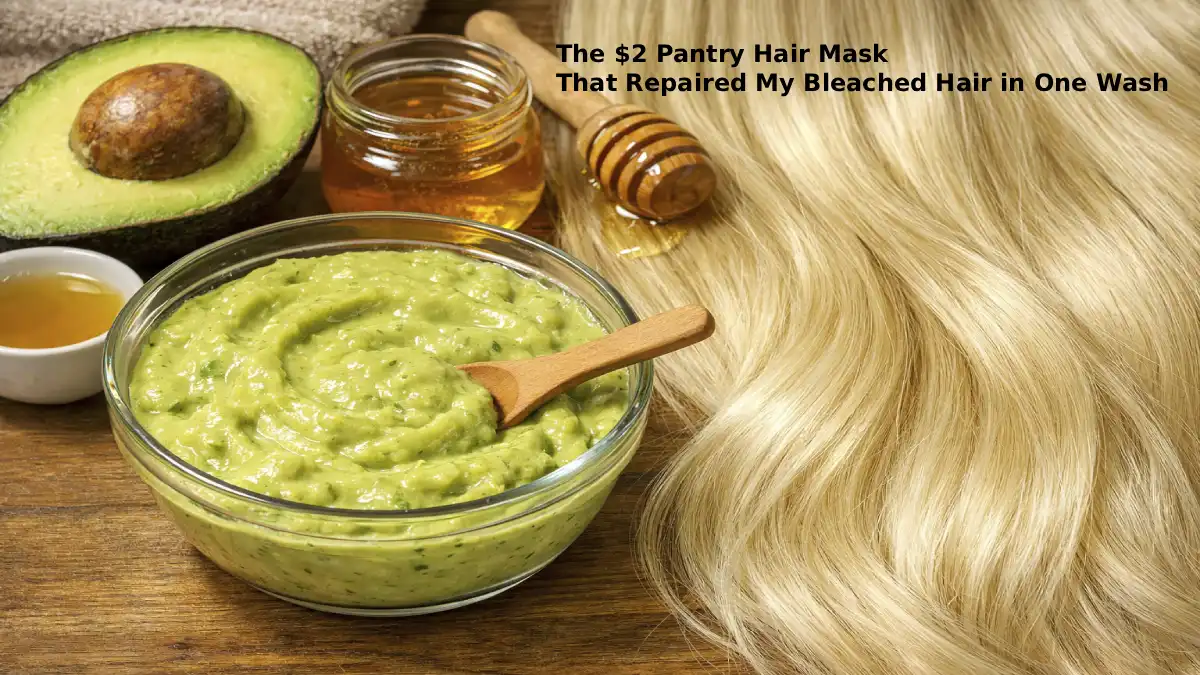
Bleached hair is beautiful, but maintaining it can feel like a full-time job. Between dryness, breakage, and that constant straw-like texture, keeping blonde hair healthy often seems impossible without expensive salon products.
After one too many disappointing deep-conditioning treatments, I tried a simple DIY remedy made from two pantry staples: avocado and honey. What happened after one wash surprised me. My hair felt softer, looked shinier, and finally had some life again—all for around $2.
If your bleached hair feels dry, brittle, and impossible to manage, this easy homemade hair mask might be the affordable fix you’ve been looking for.
Jump Links
- Why Bleached Hair Gets So Damaged
- The $2 Avocado and Honey Hair Mask
- Why Avocado Works for Bleached Hair
- Why Honey Helps Repair Dry Hair
- How to Make the DIY Hair Mask
- How to Apply the Mask for Best Results
- Extra Tips to Repair Bleached Hair Faster
- Frequently Asked Questions
- Final Thoughts
Why Bleached Hair Gets So Damaged
Bleaching may give you that bright blonde color you love, but it puts your hair under serious stress. The bleaching process works by opening the outer layer of the hair, known as the cuticle, and removing the natural pigment from inside the hair shaft. While this creates lighter shades, it also strips away moisture, proteins, and protective oils that keep hair healthy.
Once those protective elements are removed, the hair becomes weaker, rougher, and far more vulnerable to damage. That’s why freshly bleached hair often feels dry or straw-like, especially after multiple sessions.
Common signs of bleach damage include:
- Extreme dryness
- Frizz
- Split ends
- Breakage
- Loss of shine
- Tangling
- Increased porosity
- Rough texture
One of the biggest issues with bleached hair is high porosity. This means the hair cuticle stays raised, allowing moisture to escape quickly. As a result, hair may absorb water fast but lose it just as quickly, leaving it dehydrated and brittle.
Bleach also weakens the internal protein structure of the hair. Hair is made largely of keratin, and when bleaching disrupts these protein bonds, strands lose elasticity. This is why damaged hair stretches too much when wet and snaps easily when brushed or styled.
Repeated bleaching can make the problem worse over time. Each treatment further weakens the hair shaft, making it harder for the hair to retain softness, shine, and strength.
That’s why bleached hair needs more than just regular conditioner. It needs deep, nourishing treatments that help restore moisture, smooth the cuticle, and improve flexibility—especially if you want to maintain your blonde color without sacrificing hair health.
The $2 Avocado and Honey Hair Mask
One of the best things about this DIY hair mask is that it delivers real moisture without the high price tag of salon products. Instead of relying on expensive formulas filled with silicones and synthetic ingredients, this treatment uses two simple kitchen staples that naturally nourish damaged hair:
- Avocado
- Honey
These ingredients work together to create a rich, hydrating mask that helps soften rough strands, reduce dryness, and improve the overall feel of bleached hair.
Avocado is packed with healthy fats, vitamins, and nutrients that help moisturize and smooth the hair shaft. Its natural oils can coat dry strands, making hair feel softer and more manageable. Because bleached hair often loses its natural oils, avocado helps replace some of that lost moisture.
Honey works as a natural humectant, which means it helps attract and hold moisture in the hair. This makes it especially useful for bleached hair that struggles to stay hydrated. Honey can also add softness and shine while helping reduce frizz.
When combined, avocado and honey form a deeply conditioning treatment that targets the main problems caused by bleaching:
- Dryness
- Frizz
- Rough texture
- Dullness
- Brittleness
After just one use, many people notice visible improvements, such as:
- Softer strands
- Less frizz
- Improved shine
- Better manageability
- Reduced brittleness
The mask doesn’t “repair” chemical damage permanently, but it can dramatically improve the appearance and feel of dry, overprocessed hair by restoring much-needed moisture.
Another reason this treatment stands out is affordability. Many repair masks marketed for bleached hair can cost anywhere from $20 to $40 per jar. This homemade version costs only a couple of dollars and uses ingredients you may already have at home.
For anyone trying to rescue dry blonde hair on a budget, this simple avocado and honey mask is an easy and effective place to start.
5 Target Shampoos That Are Actually Better Than High-End Salon Brands
Why Avocado Works for Bleached Hair
Avocado is one of the most nourishing natural ingredients you can use on dry, overprocessed hair. Bleaching removes much of the hair’s natural moisture and weakens the protective outer layer, leaving strands rough, brittle, and prone to breakage. Avocado helps counter that damage by delivering rich moisture and essential nutrients directly to the hair shaft.
What makes avocado especially effective is its high content of healthy fatty acids, which help soften and smooth the hair cuticle. When the cuticle lies flatter, hair feels less rough, looks shinier, and becomes easier to manage. This is particularly helpful for bleached hair, where the cuticle is often lifted and porous.
Benefits of avocado:
- Rich in healthy fats that soften hair
- Contains vitamins A, D, and E
- Helps improve elasticity
- Adds shine
- Supports moisture retention
- Helps smooth rough cuticles
- Reduces the appearance of frizz
The vitamins in avocado also play an important role in improving the overall condition of damaged hair.
- Vitamin A helps support natural moisture balance.
- Vitamin D may help maintain a healthier scalp environment.
- Vitamin E is known for its antioxidant properties and can help improve softness and shine.
Because bleached hair tends to become fragile and less elastic, avocado’s moisturizing properties can help restore flexibility to stiff strands. Hair that is more flexible is less likely to snap during brushing, styling, or washing.
Another benefit is that avocado creates a creamy texture that coats the hair evenly, allowing the mask to cling to damaged areas where moisture is needed most. This creates an instant smoothing effect that makes hair feel healthier even after the first treatment.
While avocado cannot permanently reverse bleach damage, it can dramatically improve the softness, appearance, and manageability of dry hair by replacing some of the moisture lost during the bleaching process.
For anyone dealing with brittle blonde hair, avocado offers an affordable and natural way to bring back softness without relying on expensive treatments.
Why Honey Helps Repair Dry Hair
Honey is one of the most effective natural ingredients for restoring moisture to dry hair because it acts as a humectant, meaning it attracts and holds water. This is especially helpful for bleached hair, which often loses moisture quickly due to its damaged and porous cuticle.
When hair is dry after bleaching, it not only feels rough but also becomes more vulnerable to frizz, tangles, and breakage. Honey helps combat these issues by drawing moisture into the hair and helping it stay hydrated longer.
Benefits of honey for hair:
- Locks in hydration
- Reduces dryness
- Smooths frizz
- Adds natural shine
- Helps soothe the scalp
- Improves softness
- Enhances manageability
One of honey’s greatest strengths is its ability to help the hair retain moisture even after the treatment is rinsed out. This makes the hair feel softer and less brittle for longer compared to lightweight conditioners that only provide temporary smoothness.
Honey also helps smooth the outer layer of the hair. When the cuticle becomes smoother, hair reflects more light, which gives it a healthier and shinier appearance. For bleached hair that often looks dull, this added shine can make a noticeable difference.
In addition to its hydrating benefits, honey has natural soothing properties that may help calm a dry or irritated scalp. Since bleaching can sometimes leave the scalp feeling sensitive, honey adds a gentle conditioning effect from roots to ends.
Another reason honey works so well in DIY hair masks is its texture. It blends easily with rich ingredients like avocado, creating a thicker mask that coats the hair evenly. This allows the moisture to stay in contact with damaged strands long enough to improve softness and reduce roughness.
When paired with avocado, honey helps create a balanced deep-conditioning treatment that tackles the biggest concerns of bleached hair:
- Moisture loss
- Frizz
- Dullness
- Brittleness
Together, these two ingredients help restore softness and hydration, making dry blonde hair look smoother, shinier, and far healthier after each use.
Why I Swapped My $300 Dyson for This $40 Amazon Find (And Never Looked Back)
How to Make the DIY Hair Mask
One of the best things about this DIY hair mask is how simple it is to prepare. You don’t need any special beauty products or expensive ingredients—just a few nourishing items from your kitchen. In only a few minutes, you can create a rich conditioning treatment that helps restore softness and moisture to dry, bleached hair.
Because bleached hair tends to be fragile and dehydrated, using fresh, high-quality ingredients can make a noticeable difference in how well the mask performs. The creamy texture of avocado combined with the moisture-locking properties of honey creates a thick, nourishing treatment that coats the hair and helps reduce dryness and frizz.
Ingredients:
- 1 ripe avocado
- 2 tablespoons raw honey
- 1 tablespoon olive oil (optional for extra hydration)
Each ingredient plays an important role in this homemade treatment:
- Avocado provides rich moisture and nutrients that help soften rough, damaged strands.
- Honey helps draw moisture into the hair and improves softness and shine.
- Olive oil adds extra hydration, making the mask even more effective for severely dry or overprocessed hair.
If your hair feels extremely brittle after bleaching, the olive oil can provide an extra layer of softness. If your hair is fine or gets weighed down easily, you may prefer to leave it out.
Instructions:
- Mash the avocado until smooth
Cut the avocado in half, remove the pit, and scoop the flesh into a bowl. Mash it thoroughly with a fork until it becomes as smooth as possible. This step is important because large chunks can be difficult to rinse out of your hair. - Add the honey
Pour in the raw honey and mix it into the mashed avocado. Stir well until the honey is evenly distributed throughout the mixture. - Mix in olive oil if desired
If your hair needs extra moisture, add the olive oil and blend it into the mask. This helps create an even richer texture that works well for severely dry hair. - Stir until creamy
Continue mixing until the ingredients form a smooth, creamy consistency. The smoother the mixture, the easier it will spread through your hair from root to tip.
For even better results, some people prefer using a blender or food processor to combine the ingredients. This creates a lump-free mixture that applies more evenly and rinses out more easily.
The final mask should be thick enough to stay on your hair without dripping but smooth enough to distribute easily. Once it reaches that texture, it’s ready to apply.
This quick homemade recipe creates a deeply hydrating treatment at a fraction of the cost of salon masks, making it an easy and affordable option for repairing dry, damaged blonde hair.
How to Apply the Mask for Best Results
Applying the mask correctly is just as important as choosing the right ingredients. Even the most nourishing DIY treatment will not deliver the best results if it is rushed or applied unevenly. Because bleached hair is often fragile and highly porous, taking a few extra minutes during application can help the mask penetrate more effectively and leave your hair feeling softer, smoother, and easier to manage.
The goal is to allow the avocado and honey mixture to coat damaged strands thoroughly so the moisturizing ingredients can reach the areas that need the most hydration. With the right method, this simple DIY mask can feel surprisingly close to an at-home deep-conditioning treatment.
Steps:
- Wash your hair with shampoo
Start by washing your hair with a gentle shampoo to remove any oil, product buildup, or residue. Clean hair allows the mask to absorb more effectively because the ingredients can coat the hair shaft directly. Avoid using a harsh clarifying shampoo right before the mask, as this may strip too much moisture from already dry hair. - Towel dry until damp
After shampooing, gently squeeze out excess water and towel dry your hair until it is damp but not dripping. Hair that is soaking wet can dilute the mask, making it harder for the ingredients to cling to the strands. Damp hair provides the best surface for even application. - Apply the mask from mid-length to ends
Divide your hair into sections and begin applying the mask from the mid-lengths down to the ends, where bleach damage is usually the most severe. Use your fingers or a wide-tooth comb to distribute the mixture evenly. Make sure every damaged section is coated thoroughly. If your scalp feels dry, you can lightly apply some of the mask near the roots, but focus mainly on the lengths and ends to avoid weighing the hair down. - Cover with a shower cap or warm towel
Once your hair is fully coated, cover it with a shower cap or wrap it in a warm towel. This step helps trap heat, which gently opens the hair cuticle and allows the moisturizing ingredients to absorb more deeply. The warmth also keeps the mask from drying out too quickly. - Leave on for 30 to 60 minutes
Let the mask sit for at least 30 minutes, or up to 60 minutes if your hair feels especially dry or damaged. This gives the avocado, honey, and optional olive oil enough time to soften rough strands and improve moisture retention. While leaving it on longer may seem beneficial, there is usually no need to exceed an hour, as the hair can only absorb so much moisture at one time. - Rinse thoroughly with lukewarm water
Rinse your hair carefully using lukewarm water until all traces of the mask are removed. Avoid hot water, since it can strip moisture and leave hair feeling dry again. Make sure the avocado is fully rinsed out, especially if the mixture was thick. You can follow with a light conditioner if desired, but many people find the mask leaves their hair soft enough on its own.
After rinsing, your hair should feel noticeably softer, smoother, and easier to detangle. The frizz may be reduced, and your strands should have a healthier, more hydrated appearance.
For best results, use this mask once or twice a week as part of your hair care routine. With regular use, it can help improve the feel and appearance of bleached hair while reducing dryness and brittleness over time.
The $5 Walmart Secret to Heatless Curls That Look Like a Professional Blowout
Extra Tips to Repair Bleached Hair Faster
While this avocado and honey hair mask can noticeably improve softness and hydration, real recovery from bleach damage doesn’t happen from a single treatment alone. The best results come when you combine deep conditioning with small, consistent hair-care habits that reduce stress on your strands every day.
Bleached hair is already in a weakened state, so even small changes in how you wash, style, and protect it can significantly speed up visible improvement. Think of it as building a routine that supports the mask rather than relying on it alone.
1. Reduce Heat Styling
Heat is one of the fastest ways to worsen bleach damage. Flat irons, curling wands, and blow dryers remove remaining moisture from already dry strands, making hair even more brittle over time.
Whenever possible:
- Let your hair air dry naturally
- Use heat tools only for special occasions
- Always apply a heat protectant if you must style
Even reducing heat styling from daily use to a few times a week can make a noticeable difference in softness and elasticity.
2. Use a Sulfate-Free Shampoo
Many traditional shampoos contain sulfates, which are strong cleansing agents designed to remove oil and buildup. While that sounds good in theory, bleached hair often needs the opposite approach.
Sulfates can:
- Strip natural oils
- Increase dryness
- Make frizz worse
- Fade color faster
A sulfate-free shampoo cleans your hair more gently, helping maintain the moisture balance your strands desperately need after bleaching.
3. Trim Split Ends Regularly
Split ends don’t just stay at the bottom—they gradually travel upward, causing more breakage along the hair shaft. This is especially common in bleached hair, where the structure is already weakened.
Regular trims help:
- Prevent split ends from spreading
- Reduce overall breakage
- Keep hair looking healthier and fuller
Even a small trim every 6–8 weeks can make your hair look significantly more polished and less damaged.
4. Avoid Daily Washing
Washing your hair every day may feel clean and refreshing, but for bleached hair, it can actually slow down recovery. Frequent washing removes the natural oils that help protect and soften your strands.
Instead, try:
- Washing 2–3 times per week
- Using dry shampoo between washes if needed
- Refreshing hair with water or light leave-in conditioner
This allows your hair’s natural oils to rebuild, which helps improve softness and manageability over time.
5. Sleep on a Silk Pillowcase
Friction during sleep is one of the hidden causes of breakage and frizz. Cotton pillowcases can roughen the hair cuticle as you move during the night, especially for already fragile bleached strands.
Silk or satin pillowcases help:
- Reduce friction
- Minimize tangling
- Prevent overnight breakage
- Maintain smoother texture in the morning
It’s a small switch, but one that can noticeably improve hair health over time, especially when combined with regular deep conditioning.
These simple lifestyle adjustments, when combined with your DIY avocado and honey hair mask, can significantly speed up the recovery of bleached hair. Over time, they help restore softness, reduce breakage, and bring back a healthier, more manageable texture without expensive salon treatments.
Frequently Asked Questions
1. Can avocado really repair bleached hair?
Avocado cannot permanently reverse the structural damage caused by bleaching, because chemical processing breaks down the internal protein bonds in the hair shaft. Once those bonds are weakened, they cannot be fully restored by any natural ingredient.
However, what avocado can do is significantly improve the appearance and feel of damaged hair. Its high content of natural fats and nutrients helps coat the hair shaft, smoothing the cuticle and reducing the rough, porous texture that often comes after bleaching.
With consistent use, avocado can:
- Deeply moisturize dry strands
- Improve softness and flexibility
- Reduce frizz and rough texture
- Make hair easier to detangle
- Improve shine and manageability
So while it doesn’t “repair” bleach damage in a permanent structural sense, it absolutely helps restore a healthier look and feel, which is often what most people are trying to achieve.
2. How often should I use this hair mask?
For most people with bleached or highly dry hair, using this mask 1 to 2 times per week is the sweet spot. This frequency gives your hair enough moisture without overloading it with heavy ingredients that could cause buildup or make it feel weighed down.
If your hair is extremely dry, you can start with twice a week for the first couple of weeks, then reduce to once a week for maintenance.
On the other hand, if your hair is fine or gets oily easily, once a week is usually enough.
It’s also important to pay attention to how your hair responds. Signs you’re using it too often may include:
- Hair feeling heavy or greasy faster
- Loss of volume
- Product buildup over time
Consistency matters more than overuse—regular weekly care will give better long-term results than applying it too frequently.
3. Can I use this mask on color-treated hair?
Yes, this mask is generally safe for color-treated hair, including bleached, highlighted, or dyed hair. In fact, color-treated hair often benefits even more from deep conditioning because chemical processing tends to strip moisture and weaken the hair structure.
This avocado and honey mask helps by:
- Replenishing lost moisture
- Softening dry or rough strands
- Improving shine and vibrancy
- Reducing the dull, faded look that can come after coloring
Since it is free of harsh chemicals and sulfates, it won’t interfere with most hair dyes or salon treatments. However, as with any DIY treatment, it’s always best to avoid applying it immediately after a fresh dye job—waiting at least a few days is usually recommended to let the color settle.
4. Will honey lighten my hair?
Honey has very mild natural lightening properties, but the effect is usually subtle and gradual. It contains small amounts of hydrogen peroxide that can be activated under certain conditions, but it is nowhere near strong enough to dramatically change your hair color.
In most cases, you might notice:
- A slight warm or golden tint over time (especially in sunlight)
- Enhanced natural highlights in lighter hair shades
- No noticeable change in darker or heavily dyed hair
For bleached blonde hair, honey is far more useful as a moisturizing and shine-enhancing ingredient than as a lightener. Its main role in this mask is to lock in hydration and reduce dryness, not to alter color significantly.
So if you’re using this mask for repair and softness, you don’t need to worry about unexpected bleaching effects.
5. What if I don’t have avocado?
If you don’t have avocado on hand, you can still make a nourishing DIY hair mask using other natural ingredients. While avocado is one of the richest options for moisture and fatty acids, there are a few effective substitutes.
Good alternatives include:
- Banana: Adds softness and helps smooth frizz, but must be blended very well to avoid chunks in hair
- Plain yogurt: Contains proteins that can strengthen and soften damaged strands
- Aloe vera gel: Lightweight hydration and scalp soothing benefits
Each substitute has slightly different benefits:
- Banana is great for softness but can be harder to rinse out
- Yogurt is more protein-focused and may feel slightly strengthening
- Aloe vera is lighter and better for fine hair types
However, avocado remains the most balanced option because it combines deep moisture, natural oils, and vitamins in a single ingredient. That’s why it works especially well for severely dry, bleached hair compared to most alternatives.
Final Thoughts
Repairing bleached hair doesn’t always require expensive salon treatments. Sometimes the most effective solutions are sitting right in your kitchen.
This avocado and honey hair mask is affordable, easy to make, and incredibly nourishing for dry, damaged strands. For anyone struggling with brittle blonde hair, it’s a simple DIY treatment worth trying.
At The Frugal Glow, we believe effective beauty solutions don’t have to be expensive. Sometimes the smartest beauty upgrades cost just a few dollars—and deliver results that rival salon treatments.